
Canine TPLO Surgery Recovery Process: What to Expect
When a dog undergoes orthopedic surgery, it can leave pet owners feeling anxious about the road ahead. TPLO surgery, one of the most effective procedures for treating a torn cranial cruciate ligament (CCL), has helped countless dogs return to their active lifestyles. However, the TPLO surgery recovery process takes time, patience, and a strong commitment from the pet parent. If your dog has recently had TPLO surgery or you’re preparing for it, this guide explains what the recovery process involves, step by step. Veterinary Healthcare Associates in Winter Haven, FL, offers advanced orthopedic care and post-operative support to help your dog heal safely. If you have any questions about the TPLO surgery recovery process, call us at (863) 324-3340.
What Is TPLO Surgery and Why Is Recovery So Important?
TPLO (Tibial Plateau Leveling Osteotomy) surgery changes the dynamics of a dog’s knee to eliminate the need for the cranial cruciate ligament. The surgeon cuts and rotates the tibial plateau, stabilizes it with a metal plate, and allows it to heal in this new position. It’s a highly successful surgery, but the TPLO surgery recovery process is just as important as the operation itself. Post-operative care directly affects how well the leg heals and how soon your dog can return to normal activity. Rushing recovery or skipping steps can increase the risk of complications. That’s why understanding and following the TPLO surgery recovery process is key to your dog’s long-term mobility and comfort.
The First 2 Weeks: Post-Surgery Rest and Pain Management
The initial 14 days after surgery are the most restrictive and closely monitored. This is when your dog is most vulnerable to discomfort, infection, and surgical complications.
Restricted Movement
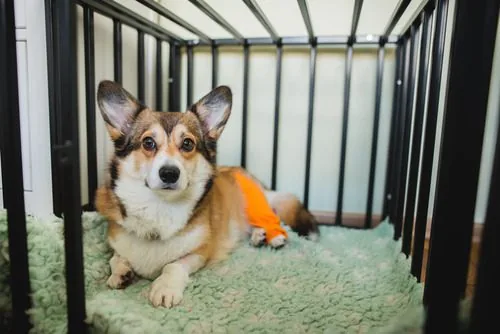
Your dog will need strict crate rest or confinement in a small room. Even short walks should be kept to a minimum and always on a leash. Jumping, running, or climbing stairs should be avoided entirely. The TPLO surgery recovery process begins with allowing the leg to rest, preventing unnecessary stress on the surgical site.
Incision Monitoring
Daily inspection of the incision is necessary. Pet owners should watch for swelling, redness, or discharge. The surgical site must stay clean and dry, and your dog should be prevented from licking or chewing the area.
Pain Management and Medication
Veterinarians typically prescribe pain medication and possibly antibiotics to reduce discomfort and prevent infection. This stage of the TPLO surgery recovery process is focused on managing inflammation and supporting your dog’s comfort level.
Weeks 3–6: Controlled Exercise and Gradual Mobility
Once the initial healing period has passed, the next phase involves slowly reintroducing movement. This is where structured activity begins to help rebuild strength.
Short, Leashed Walks
During weeks 3 through 6, short walks on a leash are usually introduced. These should be calm, slow, and limited to a few minutes at a time. Flat surfaces are best. Avoid inclines, stairs, or uneven ground.
Passive Range-of-Motion Exercises
Veterinary teams often recommend gentle range-of-motion exercises, which help prevent stiffness and promote circulation. These should only be done if recommended and demonstrated by your veterinarian or a trained rehabilitation professional.
Progress Monitoring
Follow-up appointments during this phase allow your veterinarian to assess healing. X-rays may be scheduled around the six-week mark to evaluate bone healing and confirm progress.
Weeks 7–12: Building Strength and Increasing Activity
At this point in the TPLO surgery recovery process, bone healing should be well underway. This allows for a gradual increase in activity under veterinary guidance.
Extended Walks and Light Activity
Leashed walks can gradually increase in duration and frequency. Some dogs begin light indoor play, under supervision. However, off-leash activity is still not recommended.
Rehabilitation Therapy
Many dogs benefit from physical therapy or rehabilitation sessions during this phase. Underwater treadmill therapy, cold laser treatments, and guided strength-building exercises can support a smoother recovery.
Mental Enrichment
Because physical limitations can be frustrating, especially for active dogs, mental stimulation plays an important role. Puzzle toys, food-dispensing toys, and scent games offer low-impact engagement that helps curb boredom.
3–6 Months After Surgery: Resuming Normal Activities
The final phase of recovery focuses on helping your dog safely return to regular activity. By now, the bone should be healed, and muscle strength and coordination should be steadily improving.
Veterinary Rechecks and Imaging
Another round of X-rays may be scheduled at the 12-week mark. If healing looks appropriate, your veterinarian may clear your dog to resume more normal levels of activity.
Off-Leash Activity and Exercise
If your veterinarian approves, dogs can gradually return to off-leash activity in secure areas. Activities like running, playing fetch, or hiking may be reintroduced slowly to prevent setbacks.
Long-Term Wellness
Some dogs may need continued rehab or conditioning to regain full strength. Weight management, joint supplements, and regular exercise all contribute to ongoing joint health. Discuss with your veterinarian what your dog’s long-term wellness plan should include after completing the TPLO surgery recovery process.
How Long Is the TPLO Surgery Recovery Process?
Recovery from TPLO surgery typically spans 12 to 16 weeks, though the timeline can vary depending on the dog’s age, weight, and overall health. Some dogs return to normal activity sooner, while others require a bit more time.
It’s essential to treat the TPLO surgery recovery process as a gradual progression. Each phase builds on the one before it. Rushing your dog through recovery can lead to injury or long-term instability. The team at Veterinary Healthcare Associates works closely with pet owners to tailor a recovery plan that fits each dog’s needs and recovery speed.
Supporting Your Dog Through the Healing Journey
Recovering from TPLO surgery takes time, but your involvement can make the difference between a smooth recovery and one that’s filled with setbacks. By following each stage of the TPLO surgery recovery process carefully, providing the right level of support, and working closely with our veterinary team, you’ll help your dog regain mobility safely and confidently. If your dog has recently had TPLO surgery or you’re planning for it, Veterinary Healthcare Associates in Winter Haven is here to support every step of the way. Call us at (863) 324-3340 to learn more about our post-operative care and recovery services or to schedule a follow-up appointment.
Recent Posts
Dog Heart Murmur: Your Questions Answered
What does a dog heart murmur mean? Learn the causes, symptoms, and treatment options from Veterinary Healthcare...
Mitral Valve Disease in Dogs: Stages, Treatment, and More
What is mitral valve disease in dogs? Learn the causes, stages, treatment, and life expectancy from Veterinary...
What Is a Veterinary Fluoroscopy for Dogs?
What is veterinary fluoroscopy for dogs? Learn how it works, when it's used, and what to expect...
Stenotic Nares Surgery Cost
Stenotic Nares Surgery Cost How much does stenotic nares surgery usually cost? Stenotic nares surgery costs typically…
Is Stenotic Nares Surgery Covered by Pet Insurance?
Is Stenotic Nares Surgery Covered by Pet Insurance? Yes, stenotic nares surgery is covered by pet insurance…
About Veterinary Healthcare Associates
Veterinary Healthcare Associates in Winter Haven, FL, was established over 30 years ago as Maxwell Animal Clinic by Dr. John Maxwell. Maxwell Animal Clinic was a one-doctor general practice offering preventive care, dentistry, and standard surgical services to the community. As the years passed, Maxwell Animal Clinic evolved into a thriving 10-doctor general, specialty referral, and emergency veterinary practice.