Stenotic Nares Surgery Recovery
What is the recovery time for stenotic nares surgery? Stenotic nares surgery recovery typically takes 2 to 4 weeks for most dogs, with the majority showing noticeable breathing improvement within the first few days after the procedure. If your dog has just had stenotic nares surgery or you’re preparing for an upcoming procedure, knowing what the recovery process looks like will help you feel confident and ready to support your pet at home. The team at Veterinary Healthcare Associates in Winter Haven, FL walks every pet owner through the recovery plan before discharge, and we’re always just a phone call away if questions come up. Below is a thorough guide to what you can expect.
What to Expect After Stenotic Nares Surgery
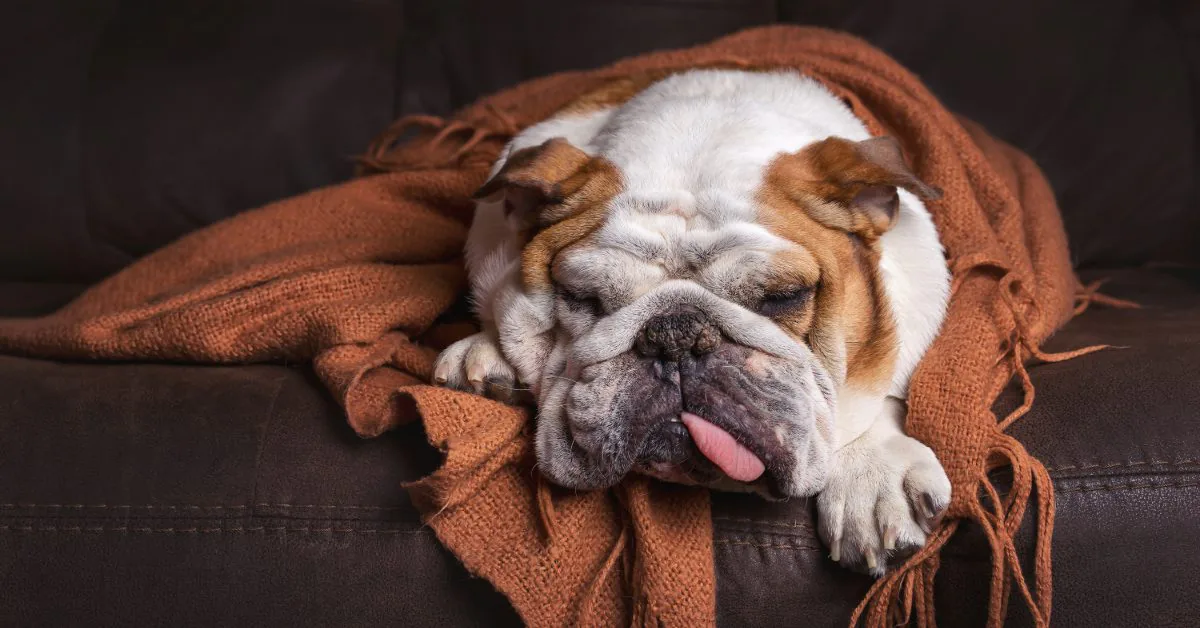
The immediate post-operative period is the most important phase of stenotic nares surgery recovery. Once your dog wakes up from anesthesia, our veterinary team will monitor their breathing, heart rate, and temperature closely before clearing them to go home. Most dogs are sent home the same day as their procedure.
In the first 24 to 48 hours after surgery, it’s normal for your dog to be a little groggy, sore around the nostrils, and less interested in food. You may notice some minor swelling around the nasal area and a small amount of blood-tinged discharge from the nostrils. These are expected signs of healing and should resolve quickly.
The First Week of Recovery
The first week of stenotic nares surgery recovery requires the most attention. Your dog should be kept calm and confined to a small area of the house to limit activity. Leash walks for bathroom breaks are fine, but running, jumping, and roughhousing need to wait. Overexertion can increase swelling and put strain on the surgical site before it has had time to heal.
Your vet will prescribe medications to support recovery, which typically include:
- Anti-inflammatory medication to reduce swelling around the nostrils
- Pain relief to keep your dog comfortable in the first few days
- Antibiotics in some cases, depending on the surgical approach and your dog’s health history
Give all medications exactly as prescribed and complete the full course, even if your dog seems to be feeling better. Stopping medications early is one of the most common reasons for post-surgical complications.
Weeks Two Through Four
By the second week of stenotic nares surgery recovery, most dogs are feeling significantly better and are eager to return to their normal activity level. This is the phase where you’ll need to stay disciplined about activity restrictions, because dogs rarely self-regulate when they feel good. Continue limiting exercise as your vet directs, even if your dog is begging for a walk or trying to play.
A follow-up appointment with your veterinarian is typically scheduled around 10 to 14 days after surgery to check the healing progress and remove any sutures if needed. At Veterinary Healthcare Associates, we use this visit to assess how the nostrils look and confirm that airflow has improved as expected.
By weeks three and four, most dogs have healed well and can begin gradually returning to normal activity. Full recovery is usually complete within 4 weeks, though larger or older dogs may take a bit longer.
How Long Does Stenotic Nares Surgery Take to Heal?
For most dogs, stenotic nares surgery healing is complete within 2 to 4 weeks. The nostrils are made up of cartilage and soft tissue, both of which heal relatively quickly when the area is kept clean and the dog is not allowed to rub or paw at the surgical site.
The visible improvement in breathing typically comes much sooner than the 2 to 4 week mark. Many pet owners notice that their dog is breathing more quietly and easily within just a few days of surgery, even before the tissue is fully healed. That early improvement is one of the most rewarding parts of the recovery process to witness.
Factors That Affect Healing Time
A few variables can influence how long stenotic nares surgery recovery takes for your individual dog:
- Age: Puppies and young dogs typically heal faster than older dogs. This is one reason veterinarians recommend correcting stenotic nares between 4 and 12 months of age when possible.
- Overall health: Dogs in good general health with no other significant medical conditions recover more quickly.
- Concurrent procedures: If soft palate surgery or another BOAS-related correction was performed at the same time, total recovery time may be slightly longer.
- Adherence to post-op instructions: Dogs whose owners follow activity restriction and medication guidelines closely tend to heal more smoothly and with fewer setbacks.
Is Stenotic Nares Surgery Safe?
Yes, stenotic nares surgery is considered a safe, routine procedure when performed by an experienced veterinarian. Like all surgeries that require anesthesia, it does carry some inherent risk, but that risk is minimized through pre-surgical bloodwork, careful anesthetic monitoring, and thorough post-operative care.
Brachycephalic breeds do face higher anesthetic risk than non-brachycephalic dogs due to the nature of their airways, which is why pre-surgical evaluation is so important. A thorough physical exam, chest X-rays if indicated, and bloodwork give your vet the information they need to tailor the anesthetic protocol to your dog’s specific anatomy and health status.
What Risks Are Associated with Stenotic Nares Surgery?
Potential complications from stenotic nares surgery are uncommon but can include:
- Mild post-operative bleeding from the nostrils
- Swelling or inflammation at the surgical site
- Infection, particularly if post-op wound care is not maintained
- Anesthesia-related complications, which are more common in flat-faced breeds but managed with careful monitoring
- Overcorrection or under-correction of the nares width, which is rare when the procedure is performed by an experienced veterinarian
The risk of leaving stenotic nares untreated is far greater than the risk of surgery. Progressive airway compromise, secondary laryngeal changes, and a diminished quality of life are all documented consequences of untreated BOAS. The team at Veterinary Healthcare Associates takes every precaution to make the surgical and recovery process as safe and smooth as possible for each patient.
How to Protect the Surgical Site During Recovery
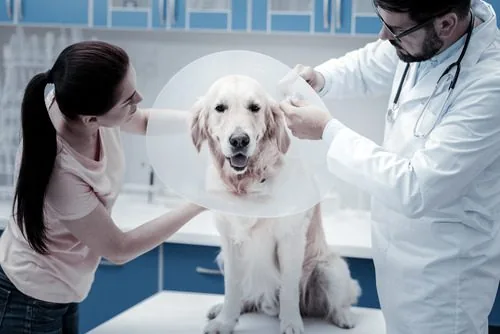
Your dog may try to rub or paw at their nose after surgery, especially as the area begins to itch during healing. An Elizabethan collar (the “cone”) is often recommended to prevent your dog from interfering with the surgical site. It’s a nuisance, but it’s one of the most effective tools for preventing wound disruption and infection during stenotic nares surgery recovery. Keep the area around the nostrils gently clean with a soft cloth as directed by your vet, and avoid getting water directly into the nostrils during this period.
What to Watch For During Stenotic Nares Surgery Recovery
Most dogs recover from stenotic nares surgery without major complications, but it’s important to know which signs warrant a call to your veterinarian. Contact Veterinary Healthcare Associates promptly if you notice any of the following during your dog’s recovery:
- Heavy or persistent bleeding from the nostrils beyond the first day or two
- Significant swelling that is worsening rather than improving
- Discharge from the nostrils that is green, yellow, or foul-smelling
- Labored breathing that seems worse than before surgery
- Refusal to eat for more than 24 hours after coming home
- Lethargy that persists beyond the first 48 hours
- Any signs of pain that are not controlled by the prescribed medications
Early communication with your vet is always better than waiting to see if something resolves on its own. Our team at Veterinary Healthcare Associates is accessible during and after business hours for urgent questions about your pet’s recovery.
Long-Term Outcomes After Stenotic Nares Surgery
The long-term prognosis after stenotic nares surgery is excellent, particularly for dogs who have the procedure done while they are young and before secondary airway changes develop. The vast majority of dogs experience a permanent, meaningful improvement in their ability to breathe through the nose. Owners consistently report quieter breathing, improved exercise tolerance, better sleep, and a more relaxed, comfortable dog overall.
It’s worth noting that stenotic nares surgery corrects the nostrils, but it does not address other potential components of BOAS, such as an elongated soft palate or everted laryngeal saccules. If your dog has been evaluated for these additional issues and they are present, your vet may recommend a more comprehensive airway correction at the same time as nares surgery. At Veterinary Healthcare Associates, we perform thorough airway evaluations so that each dog’s treatment plan is as complete and effective as possible.
Dogs that undergo full BOAS correction while young typically lead longer, more comfortable lives with fewer respiratory complications as they age. Surgery isn’t about changing what your dog looks like, it’s about giving them the ability to breathe the way every dog deserves to breathe.
Your Partner in Your Pet’s Recovery
Stenotic nares surgery recovery goes smoothly when pet owners are well-prepared, attentive, and working closely with their veterinary team. At Veterinary Healthcare Associates, Dr. Katie Barry, our board-certified surgeon, provides expert stenotic nares surgery for dogs in Winter Haven, Orlando, Tampa, and beyond. If your dog is scheduled for stenotic nares surgery or you have questions about the recovery process, call us at (863) 324-3341 today. We’re here to help your dog breathe better and live better.
Recent Posts
Stenotic Nares Surgery Cost
Stenotic Nares Surgery Cost How much does stenotic nares surgery usually cost? Stenotic nares surgery costs typically…
Is Stenotic Nares Surgery Covered by Pet Insurance?
Is Stenotic Nares Surgery Covered by Pet Insurance? Yes, stenotic nares surgery is covered by pet insurance…
Laparoscopic Spay vs Traditional Spay: What’s Best for Your Dog?
Laparoscopic Spay vs Traditional Spay: What’s Best for Your Dog? When comparing a laparoscopic spay vs traditional…
Laparoscopic Spay: Everything You Need to Know
Laparoscopic Spay: Everything You Need to Know Laparoscopic spay, also called a “minimally invasive spay,” is an…

When is Dog Diarrhea an Emergency?
When is Dog Diarrhea an Emergency? Dog owners know all too well that occasional digestive upset isn’t…
About Veterinary Healthcare Associates
Veterinary Healthcare Associates in Winter Haven, FL, was established over 30 years ago as Maxwell Animal Clinic by Dr. John Maxwell. Maxwell Animal Clinic was a one-doctor general practice offering preventive care, dentistry, and standard surgical services to the community. As the years passed, Maxwell Animal Clinic evolved into a thriving 10-doctor general, specialty referral, and emergency veterinary practice.