
Neurological Problems in Cats
When your cat starts showing strange behaviors like walking in circles, suddenly falling over, or staring into space, it’s easy to feel confused and worried. These signs may be more than just quirks; they could point to neurological problems in cats. The nervous system controls everything from walking and eating to seeing and reacting to the world, so even minor disruptions can significantly affect a cat’s health and behavior. In this blog, we’ll explore what neurological problems in cats can look like, what causes them, and how veterinary teams identify and manage these conditions. If you notice signs of a neurological issue, call Veterinary Healthcare Associates in Winter Haven, FL at (863) 324-3340 to schedule an exam.
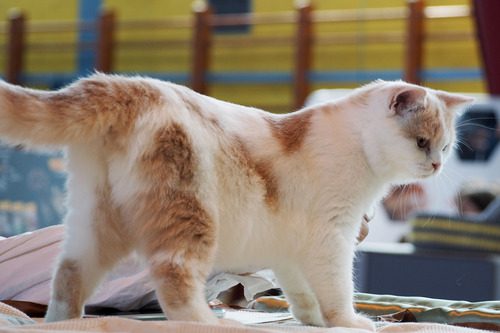
What the Nervous System Does for Your Cat
The nervous system has two major components: the central nervous system (CNS), which includes the brain and spinal cord, and the peripheral nervous system (PNS), which connects the CNS to the rest of the body. Together, they allow your cat to interpret its surroundings, move around, and respond to stimuli. When the nervous system doesn’t function properly, it can result in noticeable issues such as:
- Poor coordination
- Head tilt
- Tremors or seizures
- Sudden behavior changes
- Loss of balance
- Unusual eye movements
- Muscle twitching or weakness
These signs can appear gradually or come on suddenly, depending on the condition affecting the system.
Common Causes of Neurological Problems in Cats
Neurological problems in cats can result from a variety of underlying issues. Some are congenital (present at birth), while others develop later in life due to injury, infection, or disease. Identifying the root cause helps guide appropriate treatment or management.
Infections and Inflammatory Diseases
Certain viruses, bacteria, and parasites can cause inflammation in the brain or spinal cord.
- Feline Infectious Peritonitis (FIP): This disease can affect the brain and spinal cord, especially in its “dry” form.
- Toxoplasmosis: A parasitic infection that may cause seizures, head tilt, or difficulty walking.
- Feline leukemia virus (FeLV): Known to affect the nervous system and immune function.
Infections like these may require advanced testing, including blood work, imaging, and sometimes cerebrospinal fluid analysis.
Trauma or Injury
Falls, accidents, or fights can lead to neurological damage, particularly if the head or spine is involved. A cat may seem disoriented, unable to walk properly, or experience a sudden change in behavior.
Brain Tumors
Tumors, whether benign or malignant, can interfere with the brain’s normal function. While more common in older cats, they can develop at any age. Symptoms might include seizures, circling behavior, or vision loss.
Epilepsy and Seizure Disorders
Some cats develop idiopathic epilepsy, where no specific cause can be found. Seizures may be infrequent or occur in clusters, and they can vary in intensity.
Degenerative Conditions
Though less common in cats than in dogs, degenerative diseases can affect the spinal cord over time. These conditions often cause progressive weakness in the limbs, especially the rear legs.
Signs of Neurological Problems in Cats You Shouldn’t Ignore
Not all neurological symptoms are obvious. Sometimes, the changes are subtle at first but gradually become more noticeable. Pay attention to any behaviors that seem unusual or out of character.
Changes in Movement
- Staggering or walking in circles
- Head tilt
- Wobbliness when walking (ataxia)
- Weakness in one or more legs
- Inability to jump or climb
Behavioral and Mental Changes
- Confusion or disorientation
- Increased vocalization
- Lack of response to commands or name
- Unusual aggression or fear
Seizure Activity
Seizures may be as mild as a short head twitch or as dramatic as full-body convulsions. Some cats drool, paddle their legs, or lose bladder control during a seizure.
Vision or Hearing Loss
Cats that bump into objects, seem startled easily, or appear unresponsive to sound may be experiencing sensory changes caused by neurological issues. If your cat is showing any of these signs, contact our team in Winter Haven at (863) 324-3340 for a prompt evaluation.
How Veterinarians Diagnose Neurological Problems in Cats
Identifying the cause of neurological problems in cats often requires a multi-step approach. Because the signs can overlap with other medical conditions, your veterinarian will aim to rule out other possible explanations first.
Physical and Neurological Exam
A thorough physical exam is the starting point. Your vet will check your cat’s reflexes, posture, gait, and response to various stimuli.
Blood Work and Urinalysis
Routine testing helps detect signs of infection, inflammation, or organ dysfunction that could be impacting the nervous system.
Imaging
Advanced imaging like X-rays, CT scans, or MRI provides a detailed look at the brain and spine. This is particularly useful when tumors, injuries, or spinal cord issues are suspected.
Cerebrospinal Fluid Analysis
In some cases, a sample of cerebrospinal fluid (CSF) is collected for analysis. This helps detect infections, inflammation, or abnormal cells.
Treatment Approaches Based on the Underlying Cause
Because neurological problems in cats stem from many potential sources, treatment will depend on what’s causing the symptoms. In some cases, management may involve ongoing care to support quality of life.
Medications
- Anti-seizure medications can help reduce seizure frequency.
- Antibiotics or antivirals may be prescribed for infections.
- Steroids may reduce inflammation in certain conditions.
Surgery
For brain or spinal tumors, or in cases of traumatic injury, surgery may be considered. Our veterinary neurology team at Veterinary Healthcare Associates can perform surgery to remove tumors affecting your cat’s brain or spine.
Supportive Care and Management
Cats with long-term neurological conditions may benefit from environmental adjustments, physical therapy, and close monitoring. Managing their comfort and preventing injury are important parts of ongoing care.
What to Expect During Recovery and Monitoring
Some neurological conditions in cats are reversible with proper treatment, while others may require lifelong management. Your veterinary team will guide you through what to expect and how to support your cat at home.
Recovery Time Varies
Depending on the diagnosis, it may take weeks or even months for your cat to regain full function or they may adapt to new limitations.
Follow-Up Visits Are Important
Your vet will recommend follow-up visits to track progress, adjust treatment plans, and monitor for any new or returning symptoms.
Home Modifications May Help
Cats with neurological issues may need easy access to food, water, and litter boxes, especially if mobility is affected. Ramps or non-slip rugs can also improve comfort and safety.
When to Reach Out for Veterinary Help
If your cat starts showing signs of a possible neurological problem, don’t wait. Early intervention can make a significant difference in diagnosing and managing the condition. Whether your cat is pacing in circles, having trouble walking, or behaving oddly, our team at Veterinary Healthcare Associates is here to help. Call us at (863) 324-3340 to schedule a visit and get the answers you need.
Recent Posts
Dog Heart Murmur: Your Questions Answered
What does a dog heart murmur mean? Learn the causes, symptoms, and treatment options from Veterinary Healthcare...
Mitral Valve Disease in Dogs: Stages, Treatment, and More
What is mitral valve disease in dogs? Learn the causes, stages, treatment, and life expectancy from Veterinary...
What Is a Veterinary Fluoroscopy for Dogs?
What is veterinary fluoroscopy for dogs? Learn how it works, when it's used, and what to expect...
Stenotic Nares Surgery Cost
Stenotic Nares Surgery Cost How much does stenotic nares surgery usually cost? Stenotic nares surgery costs typically…
Is Stenotic Nares Surgery Covered by Pet Insurance?
Is Stenotic Nares Surgery Covered by Pet Insurance? Yes, stenotic nares surgery is covered by pet insurance…
About Veterinary Healthcare Associates
Veterinary Healthcare Associates in Winter Haven, FL, was established over 30 years ago as Maxwell Animal Clinic by Dr. John Maxwell. Maxwell Animal Clinic was a one-doctor general practice offering preventive care, dentistry, and standard surgical services to the community. As the years passed, Maxwell Animal Clinic evolved into a thriving 10-doctor general, specialty referral, and emergency veterinary practice.