
FHO Surgery in Dogs
You might notice it slowly. Your dog begins to limp, favor a leg, or show signs of pain near their hip. Suddenly, you’re eager to find answers as to why this is happening. For some dogs, especially smaller breeds or those recovering from injury, femoral head ostectomy (FHO) surgery may be recommended to restore mobility and relieve pain. FHO surgery in dogs can sound intimidating at first, but understanding the procedure, its purpose, and what to expect can help you feel more confident in your next steps. If you’re considering FHO surgery in dogs, this blog will walk you through the details, so you can make informed decisions about your dog’s care. For personalized guidance, call Veterinary Healthcare Associates in Winter Haven, FL at (863) 324-3340.
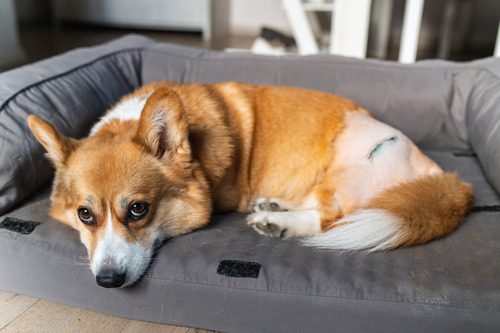
What Is FHO Surgery in Dogs?
FHO surgery in dogs involves the removal of the femoral head, which is the ball of the hip joint, to relieve pain associated with certain hip conditions. By removing this portion of the femur, the body forms a “false joint” of scar tissue and muscle, allowing the dog to regain mobility without the discomfort caused by bone-on-bone contact.
Why FHO Surgery Is Performed
FHO surgery in dogs is typically recommended when pain or dysfunction in the hip cannot be managed effectively through medication or physical therapy alone. It’s commonly performed in dogs with:
- Hip dysplasia
- Legg-Calvé-Perthes disease
- Chronic hip luxation (dislocation)
- Fractures of the femoral head or neck
- Severe arthritis or degeneration in the hip joint
This procedure is especially suited for small- to medium-sized dogs (typically under 50 pounds), although larger dogs may also benefit in specific cases.
When to Consider FHO Surgery for Your Dog
If your veterinarian suspects that your dog’s hip joint is causing ongoing pain, they may discuss the option of FHO surgery. The decision is usually based on a combination of physical exam findings, diagnostic imaging (such as X-rays), and your dog’s activity level, age, and weight.
Signs Your Dog May Benefit from FHO
Some common indicators that FHO surgery in dogs may be appropriate include:
- Persistent limping or lameness
- Difficulty standing, walking, or climbing stairs
- Audible clicking or popping in the hip
- Pain or sensitivity when the hip is touched
- Muscle atrophy in the affected leg
- Decreased activity level or reluctance to play
FHO is often recommended when the joint damage is irreversible or not repairable through other surgical methods.
What to Expect Before FHO Surgery
Before scheduling FHO surgery for your dog, your veterinarian will perform a thorough physical examination and review your dog’s medical history. Pre-operative X-rays will help confirm the diagnosis and evaluate the extent of joint damage.
Preparing Your Dog for Surgery
In preparation for the procedure:
- Your dog may need blood work to assess overall health.
- You’ll receive instructions about fasting the night before surgery.
- Your veterinarian may recommend stopping certain medications a few days prior.
- You’ll also be given guidance on what to expect for post-operative care.
The goal before surgery is to ensure your dog is a good candidate and to prepare both you and your dog for a smooth recovery process.
How FHO Surgery in Dogs Is Performed
FHO surgery is performed under general anesthesia and typically takes 1 to 2 hours. The surgeon will make an incision over the hip joint, remove the femoral head and neck, smooth any bone edges, and then close the incision with sutures.
Surgical Goals
The objective of FHO surgery in dogs is to eliminate pain from the damaged hip joint while maintaining your dog’s ability to move and bear weight. Because a false joint forms after surgery, dogs don’t require the same anatomical reconstruction as they would in a total hip replacement. This makes FHO a less invasive and more cost-effective option, especially for dogs not well-suited for more complex surgeries.
Post-Operative Recovery and Rehabilitation
Recovery from FHO surgery in dogs involves both rest and carefully managed rehabilitation. Most dogs begin to put weight on the affected leg within a few days to a week after surgery, although full recovery may take several weeks.
What to Expect During Recovery
Your veterinarian will provide detailed instructions tailored to your dog’s needs, but here’s a general overview of what to expect:
- Pain Management: Medications will be prescribed to control pain and inflammation.
- Restricted Activity: Crate rest or limited movement will be necessary in the first week or two.
- Rehabilitation Exercises: Passive range-of-motion exercises or guided physical therapy may be recommended to support healing and muscle rebuilding.
- Incision Care: You’ll need to monitor the surgical site for signs of redness, swelling, or discharge.
It’s essential to follow your veterinarian’s post-op guidelines closely to help your dog regain strength and mobility.
Physical Therapy After FHO Surgery
Rehabilitation is a key part of successful recovery following FHO surgery in dogs. The goal is to rebuild muscle mass, restore normal gait, and improve overall function in the affected leg.
Common Therapy Methods
Depending on your dog’s condition and access to veterinary rehab services, physical therapy may include:
- Hydrotherapy: Underwater treadmill sessions reduce weight-bearing stress while encouraging movement.
- Massage: Helps reduce muscle tightness and improve circulation.
- Therapeutic Exercises: Tailored stretches, controlled walking, and balance exercises are introduced gradually.
- Laser Therapy or PEMF: May be used to promote tissue healing and reduce inflammation.
Dogs that participate in structured rehabilitation typically experience faster and more complete recoveries than those left to heal without it.
Long-Term Outlook After FHO Surgery
Most dogs that undergo FHO surgery go on to live active, pain-free lives. While the biomechanics of their movement may change slightly, many dogs regain near-normal function and participate in regular activities like walking, running, and playing.
Success Factors
Several factors influence the success of FHO surgery in dogs, including:
- The dog’s size and weight
- How quickly rehabilitation begins after surgery
- Owner compliance with recovery protocols
- The presence of any underlying conditions that may impact healing
Smaller dogs often experience more seamless recoveries, but with proper care, larger dogs can also benefit significantly from this surgery.
Talk to Our Team About FHO Surgery Options in Winter Haven, FL
If your dog is dealing with chronic hip pain or has suffered an injury to the hip joint, FHO surgery may offer lasting relief and a return to normal activity. At Veterinary Healthcare Associates in Winter Haven, FL, our team can help you understand what’s best for your dog and guide you through every step of the process. We encourage you to call us at (863) 324-3340 to schedule an evaluation and discuss whether FHO surgery in dogs is the right fit for your pet’s needs.
Recent Posts
Dog Heart Murmur: Your Questions Answered
What does a dog heart murmur mean? Learn the causes, symptoms, and treatment options from Veterinary Healthcare...
Mitral Valve Disease in Dogs: Stages, Treatment, and More
What is mitral valve disease in dogs? Learn the causes, stages, treatment, and life expectancy from Veterinary...
What Is a Veterinary Fluoroscopy for Dogs?
What is veterinary fluoroscopy for dogs? Learn how it works, when it's used, and what to expect...
Stenotic Nares Surgery Cost
Stenotic Nares Surgery Cost How much does stenotic nares surgery usually cost? Stenotic nares surgery costs typically…
Is Stenotic Nares Surgery Covered by Pet Insurance?
Is Stenotic Nares Surgery Covered by Pet Insurance? Yes, stenotic nares surgery is covered by pet insurance…
About Veterinary Healthcare Associates
Veterinary Healthcare Associates in Winter Haven, FL, was established over 30 years ago as Maxwell Animal Clinic by Dr. John Maxwell. Maxwell Animal Clinic was a one-doctor general practice offering preventive care, dentistry, and standard surgical services to the community. As the years passed, Maxwell Animal Clinic evolved into a thriving 10-doctor general, specialty referral, and emergency veterinary practice.