
Dog Wobbler Syndrome: Symptoms, Diagnosis, & Treatment
Wobbly walking, a stiff neck, or an unsteady gait in your dog isn’t something to brush off. These signs may point to a condition known as dog wobbler syndrome, a spinal disorder that primarily affects large and giant breeds. While the name may sound unusual, this condition can seriously impact your dog’s quality of life without proper care. If you’re a pet owner in Winter Haven, FL, knowing the symptoms and how veterinarians diagnose and treat dog wobbler syndrome can make all the difference in helping your pet stay comfortable and mobile. If your dog is showing signs of imbalance or weakness, call Veterinary Healthcare Associates at (863) 324-3340 to schedule an evaluation.
What Is Dog Wobbler Syndrome?
Dog wobbler syndrome, also known as cervical spondylomyelopathy (CSM), is a neurological disorder that compresses the spinal cord in the neck region. This pressure disrupts communication between the brain and body, which can lead to an uncoordinated gait, often described as “wobbling.”
Commonly Affected Breeds
While any dog can develop this condition, dog wobbler syndrome is especially common in:
- Doberman Pinschers
- Great Danes
- Mastiffs
- Weimaraners
- Bernese Mountain Dogs
Large and giant breeds are predisposed due to their size, fast growth rate, and potential spinal abnormalities that develop early in life or progress with age.
Two Forms of Dog Wobbler Syndrome
Dog wobbler syndrome typically presents in two forms, depending on the dog’s age:
- Disc-associated Wobbler Syndrome (DAWS): More common in middle-aged to older dogs, especially Dobermans. It’s linked to disc degeneration and herniation.
- Bony-associated Cervical Spondylomyelopathy: Often seen in young, giant breed dogs like Great Danes. This form results from bony malformations compressing the spinal cord.
Recognizing the Symptoms of Dog Wobbler Syndrome
Symptoms of dog wobbler syndrome can vary depending on the severity of spinal cord compression. In most cases, they progress gradually, but sudden onset can occur, especially after physical activity or trauma.
Key Signs to Watch For
- Wobbly or uncoordinated gait, especially in the hind limbs
- Stiff or painful neck
- Weakness in front limbs or all four limbs
- Difficulty standing or lying down
- Shortened stride in the front legs, longer stride in the rear
- Loss of muscle mass in the shoulders
- Knuckling or dragging of the paws
- Signs of pain when the neck is touched or moved
Some dogs may show a reluctance to move or seem more lethargic. Over time, the condition can worsen and lead to significant mobility challenges if left unaddressed.
How Veterinarians Diagnose Dog Wobbler Syndrome
An accurate diagnosis requires a combination of physical examination, neurological evaluation, and advanced imaging. Our veterinarians at Veterinary Healthcare Associates follow a thorough and thoughtful process when evaluating dogs with suspected dog wobbler syndrome.
Diagnostic Process
- Physical and Neurological Exam: Your vet assesses gait, limb strength, reflexes, and pain response to narrow down potential causes.
- X-rays: While not definitive, X-rays can reveal structural changes in the neck vertebrae and guide further testing.
- MRI or CT Scan: These imaging tools provide detailed views of the spinal cord and surrounding tissues. An MRI is typically the preferred choice for diagnosing dog wobbler syndrome due to its ability to show spinal cord compression and disc involvement.
- Myelogram: In some cases, a contrast dye is injected into the spinal canal to enhance X-ray or CT imaging, especially if an MRI is unavailable.
Treating Dog Wobbler Syndrome
Once a diagnosis is confirmed, the next step is to create a tailored treatment plan based on the severity of the condition, your dog’s overall health, and the form of the disease.
Non-Surgical Management
For mild to moderate cases, conservative management may be appropriate. This typically includes:
- Activity restriction: Limiting high-impact movements like jumping or running to avoid further spinal compression
- Anti-inflammatory medications: To reduce swelling and ease discomfort
- Muscle relaxants or pain control medications: These may be prescribed to manage symptoms and improve mobility
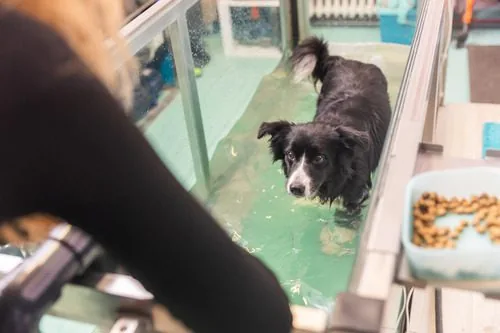
- Physical rehabilitation: Targeted exercises and therapies (such as underwater treadmill therapy) may help strengthen muscles and maintain mobility
While conservative care does not correct the underlying structural issue, it may help improve comfort and slow progression.
Surgical Treatment
Surgery is often recommended for dogs with severe symptoms or progressive neurologic decline. The goal is to decompress the spinal cord and stabilize the affected area. Common surgical approaches include:
- Ventral Slot Procedure: Removes herniated disc material that’s pressing on the spinal cord
- Distraction and Fusion Techniques: Used to realign and stabilize vertebrae by placing implants or bone grafts
- Dorsal Laminectomy: Involves removing part of the bone to relieve spinal cord pressure
Surgery offers the best chance for long-term improvement in many cases, but it does involve risks and a significant recovery period.
What Recovery and Ongoing Care Look Like
Recovery from dog wobbler syndrome varies depending on the treatment plan and the dog’s response. Dogs who undergo surgery may take several weeks to months to regain strength and mobility, and physical therapy is usually part of the post-operative plan.
Post-Treatment Monitoring and Support
Veterinarians monitor progress through regular exams and may recommend:
- Physical rehabilitation and mobility support
- Adjustments to medication as needed
- At-home adjustments such as non-slip flooring, ramps, and harnesses
- Follow-up imaging if symptoms change or return
For dogs undergoing non-surgical care, consistent monitoring is equally important to track any changes and adjust the plan as needed.
Living with Dog Wobbler Syndrome
Although the diagnosis may sound overwhelming, many dogs with dog wobbler syndrome live full and happy lives with the right care and management. Early recognition and proper veterinary support are key to helping your dog maintain their mobility and comfort for as long as possible. If your dog shows signs of unsteady movement or weakness, call Veterinary Healthcare Associates in Winter Haven, FL at (863) 324-3340. Our team is equipped to provide the support and expertise your pet needs.
Recent Posts
Dog Heart Murmur: Your Questions Answered
What does a dog heart murmur mean? Learn the causes, symptoms, and treatment options from Veterinary Healthcare...
Mitral Valve Disease in Dogs: Stages, Treatment, and More
What is mitral valve disease in dogs? Learn the causes, stages, treatment, and life expectancy from Veterinary...
What Is a Veterinary Fluoroscopy for Dogs?
What is veterinary fluoroscopy for dogs? Learn how it works, when it's used, and what to expect...
Stenotic Nares Surgery Cost
Stenotic Nares Surgery Cost How much does stenotic nares surgery usually cost? Stenotic nares surgery costs typically…

Is Stenotic Nares Surgery Covered by Pet Insurance?
Is Stenotic Nares Surgery Covered by Pet Insurance? Yes, stenotic nares surgery is covered by pet insurance…
About Veterinary Healthcare Associates
Veterinary Healthcare Associates in Winter Haven, FL, was established over 30 years ago as Maxwell Animal Clinic by Dr. John Maxwell. Maxwell Animal Clinic was a one-doctor general practice offering preventive care, dentistry, and standard surgical services to the community. As the years passed, Maxwell Animal Clinic evolved into a thriving 10-doctor general, specialty referral, and emergency veterinary practice.