
Dog Nerve Damage: Treatment Options & More
When a dog starts limping, dragging a limb, or shows signs of pain or weakness, it can be both confusing and concerning for their owner. In some cases, the cause could be dog nerve damage, a condition that can affect mobility, quality of life, and overall comfort. Whether the result of injury, illness, or degeneration, nerve damage in dogs varies widely in severity and symptoms. Fortunately, there are treatment options that can improve function and ease discomfort. If your dog is showing signs of neurological trouble, understanding what’s behind the issue and how it can be managed will help you make confident decisions moving forward. If you’re in Winter Haven, FL, and concerned your pet may be experiencing dog nerve damage, give Veterinary Healthcare Associates a call at (863) 324-3340.
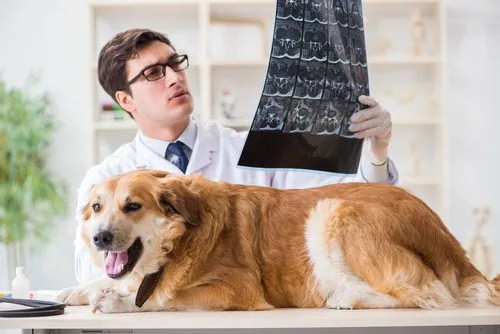
What Is Dog Nerve Damage?
Nerve damage in dogs occurs when one or more parts of the nervous system, either the central nervous system (brain and spinal cord) or peripheral nerves, are injured, inflamed, compressed, or degenerate over time. This damage disrupts the signals that nerves send throughout the body, which can affect movement, reflexes, or sensation. Some dogs may experience weakness, tremors, incoordination, or even paralysis depending on the nerves affected.
Common Causes of Nerve Damage in Dogs
- Trauma: Car accidents, falls, or other physical injuries can stretch, compress, or sever nerves.
- Degenerative Conditions: Disorders like degenerative myelopathy or intervertebral disc disease (IVDD) can slowly wear down nerve function over time.
- Infections and Inflammation: Conditions like meningitis or autoimmune disorders can lead to inflammation in the nervous system, causing damage.
- Tumors: Growths near or around nerves or in the spinal cord can apply pressure, interfering with normal nerve activity.
- Toxin Exposure: Ingesting certain toxins (e.g., pesticides, certain plants) can result in neurological symptoms and damage.
The underlying cause of dog nerve damage plays a major role in determining both treatment and prognosis.
Signs and Symptoms of Dog Nerve Damage
Signs of nerve damage often vary depending on the location and severity of the affected nerves. Some symptoms may be subtle at first, while others can be more obvious or sudden.
Motor Symptoms
These involve the muscles and the dog’s ability to move:
- Limping or dragging limbs
- Muscle weakness or atrophy
- Tremors or twitching
- Loss of coordination (ataxia)
- Difficulty walking or standing
- Paralysis in one or more limbs
Sensory Symptoms
These involve how the dog feels pain, pressure, or touch:
- Decreased or heightened sensitivity
- Yelping when touched
- Chewing or licking a specific area excessively (a sign of discomfort or tingling)
Autonomic Symptoms
These are less common but may appear with more extensive nerve damage:
- Incontinence
- Changes in pupil size
- Irregular heart rate or breathing
If your dog is showing any combination of these signs, contact your veterinarian at Veterinary Healthcare Associates promptly. A proper diagnosis is the first step toward managing dog nerve damage effectively.
Diagnostic Steps for Dog Nerve Damage
Diagnosing nerve damage requires a thorough physical and neurological exam. Your veterinarian will assess reflexes, coordination, muscle tone, and sensitivity to pressure or pain. Additional testing often helps pinpoint the exact location and extent of the issue.
Imaging Techniques
- X-rays help identify bone injuries or spinal abnormalities.
- MRI and CT scans offer detailed views of soft tissues, spinal cord, and nerve roots.
- Myelograms involve injecting dye into the spinal canal for clearer imaging of the spinal cord.
Laboratory Tests
- Blood work can help detect infections, inflammation, or toxins.
- Cerebrospinal fluid (CSF) analysis may be used to diagnose inflammatory or infectious conditions affecting the brain or spinal cord.
Accurate diagnostics allow the veterinary team to create a tailored treatment plan for your dog’s condition.
How to Address Dog Nerve Damage
Treatment depends heavily on the underlying cause, the severity of symptoms, and the dog’s overall health. Some nerve damage may resolve over time, while other cases require long-term management or surgery.
Medical Management
- Anti-inflammatory medications (such as corticosteroids or NSAIDs) can reduce pressure and swelling.
- Pain medications may help manage chronic or acute discomfort.
- Muscle relaxants can support more comfortable movement during recovery.
- Antibiotics or antifungals are used when infections are involved.
In cases involving autoimmune diseases, immunosuppressive therapy may be recommended.
Surgical Intervention
Surgery may be necessary when nerve damage results from spinal disc herniation, tumors, or fractures. Surgical goals typically focus on relieving pressure, stabilizing the spine, or removing masses. Post-surgical recovery often involves rehabilitation.
Physical Rehabilitation
Veterinary physical therapy helps improve strength, mobility, and balance in dogs recovering from nerve damage.
- Laser therapy promotes tissue repair and pain relief.
- Therapeutic exercises support muscle tone and coordination.
- Hydrotherapy allows dogs to build strength in a low-impact environment.
- Massage and manual therapy may help reduce muscle tension and support circulation.
Supportive Care at Home
Some dogs with chronic nerve damage may need mobility aids such as wheelchairs, slings, or orthopedic beds. Slip-resistant flooring and modified routines can also make a big difference in quality of life. Your veterinarian will help you understand what your dog needs to remain comfortable and mobile.
Can Dogs Recover from Nerve Damage?
Recovery outcomes vary. Some dogs regain full mobility, while others require ongoing care or adjustments. Recovery depends on the location of the damage, how long it’s been present, and how quickly treatment begins.
Factors That Affect Recovery
- Severity: Mild nerve irritation may resolve in a matter of weeks, while more severe trauma may take months or be permanent.
- Timing: Early intervention improves the chances of recovery.
- Type of Nerve: Peripheral nerve damage may heal more easily than spinal cord injuries.
- Rehabilitation Participation: Dogs that participate in physical therapy often see greater improvements.
Even if full recovery isn’t possible, many dogs with nerve damage continue to live happy lives with the right combination of veterinary care and home support.
When Should You Call Your Veterinarian?
If your dog begins dragging a limb, showing weakness, or appears to be in pain without explanation, it’s time to call the vet. Even minor signs of dog nerve damage can progress quickly if left untreated. Early action not only helps preserve mobility, but also makes treatment more effective. Veterinary Healthcare Associates in Winter Haven, FL, offers advanced diagnostic tools and treatment options for neurological conditions in dogs. Our team will work with you to determine the best approach for your pet’s unique situation. Call us today at (863) 324-3340 to schedule an evaluation.
Recent Posts
Stenotic Nares Surgery Cost
Stenotic Nares Surgery Cost How much does stenotic nares surgery usually cost? Stenotic nares surgery costs typically…

Is Stenotic Nares Surgery Covered by Pet Insurance?
Is Stenotic Nares Surgery Covered by Pet Insurance? Yes, stenotic nares surgery is covered by pet insurance…

Stenotic Nares Surgery Recovery
Stenotic Nares Surgery Recovery What is the recovery time for stenotic nares surgery? Stenotic nares surgery recovery…
Laparoscopic Spay vs Traditional Spay: What’s Best for Your Dog?
Laparoscopic Spay vs Traditional Spay: What’s Best for Your Dog? When comparing a laparoscopic spay vs traditional…
Laparoscopic Spay: Everything You Need to Know
Laparoscopic Spay: Everything You Need to Know Laparoscopic spay, also called a “minimally invasive spay,” is an…
About Veterinary Healthcare Associates
Veterinary Healthcare Associates in Winter Haven, FL, was established over 30 years ago as Maxwell Animal Clinic by Dr. John Maxwell. Maxwell Animal Clinic was a one-doctor general practice offering preventive care, dentistry, and standard surgical services to the community. As the years passed, Maxwell Animal Clinic evolved into a thriving 10-doctor general, specialty referral, and emergency veterinary practice.