
Dog CCL Surgery: What to Expect Before, During and After
If your dog has been diagnosed with a cranial cruciate ligament (CCL) tear, you’re likely feeling overwhelmed and concerned about what comes next. Dog CCL surgery is one of the most common orthopedic procedures in veterinary medicine, and it can dramatically improve your pet’s comfort and mobility. Whether your dog is limping, struggling to bear weight on a back leg, or has already received a diagnosis, this guide walks you through everything you can expect before, during, and after surgery to help you feel more confident about your dog’s recovery and long-term health. For expert surgical care in Winter Haven, FL, Veterinary Healthcare Associates is here to support you every step of the way. Call (863) 324-3340 to schedule a consultation.
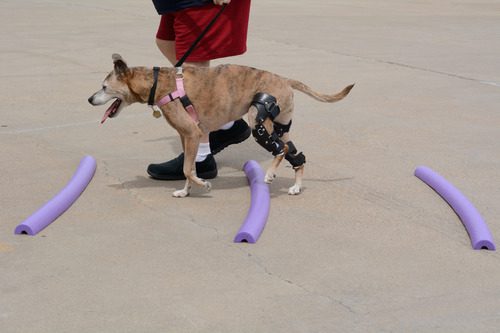
What is a CCL Tear in Dogs?
The cranial cruciate ligament (CCL) in dogs is similar to the ACL in humans. It’s a key stabilizer in the knee joint that helps keep the femur and tibia properly aligned. When this ligament partially or completely tears, the joint becomes unstable, leading to pain, lameness, inflammation, and long-term joint damage.
A dog CCL injury often develops over time from gradual wear, but it can also occur suddenly during exercise or play. Large breeds, overweight dogs, and active pups are particularly susceptible. Without surgical intervention, a torn CCL can result in arthritis and progressive loss of function in the joint.
What to Expect Before Dog CCL Surgery
Preparing your dog for CCL surgery involves multiple steps to ensure the safest and most successful outcome. Once your veterinarian has confirmed a CCL tear through physical examination and diagnostic imaging, you’ll receive a detailed treatment plan tailored to your pet.
Pre-Surgical Evaluation
Your dog will undergo a thorough pre-surgical workup, which may include:
- Bloodwork to assess organ function and anesthesia safety
- X-rays to evaluate the knee and rule out other conditions
- Physical exam to confirm CCL instability and muscle condition
Some pets may need additional tests if they have underlying health concerns or are older.
Pre-Op Instructions
Your veterinary team will give you clear guidelines for the night before surgery, such as:
- No food after a certain time (usually 8-12 hours prior)
- Remove water the morning of surgery
- Discuss any medications your dog is taking
You’ll also receive details on drop-off time, procedure expectations, and paperwork. This is a great opportunity to ask questions and confirm post-op care needs in advance.
Dog CCL Surgery: What Happens During the Procedure
The type of CCL surgery performed depends on your dog’s size, activity level, and overall health. The most common procedures include TPLO (Tibial Plateau Leveling Osteotomy), TTA (Tibial Tuberosity Advancement), and lateral suture stabilization.
Common Techniques for Dog CCL Surgery
- TPLO (Tibial Plateau Leveling Osteotomy): Alters the angle of the knee joint to stabilize it without the need for a functioning CCL.
- TTA (Tibial Tuberosity Advancement): Changes the biomechanics of the knee by moving a portion of the tibia forward to reduce strain on the ligament.
- Lateral Suture: Involves placing a synthetic ligament outside the joint to mimic the function of the CCL; typically used for small dogs.
Each surgery is performed under general anesthesia, and your veterinarian will monitor your dog’s vital signs closely throughout the procedure. Surgical time varies but generally ranges from 1 to 2 hours.
Inside the TPLO Procedure: How We Help Dogs Heal Faster
Learn more about the TPLO surgical technique from our board-certified specialty surgeon, Dr. Katie Barry in the video below.
Immediate Post-Op Monitoring
After surgery, your dog will be monitored closely during recovery. Pain management is a top priority, and our veterinary team at Veterinary Healthcare Associates will ensure your dog is comfortable and stable before discharge.
Post-Surgery Recovery: The First 48 Hours
The first couple of days after dog CCL surgery are typically the most challenging. Your dog may experience grogginess, discomfort, and limited mobility.
Managing Pain and Inflammation
Your veterinarian will send you home with medications such as:
- Pain relievers (NSAIDs or opioids)
- Anti-inflammatory medications
- Antibiotics (if needed)
It’s important to follow dosage instructions exactly and monitor for any side effects.
Restricted Activity and Crate Rest
To prevent complications, your dog will need strict rest. This includes:
- Confined crate or small room space
- No running, jumping, or playing
- Supervised leash walks only for bathroom breaks
Using non-slip mats and baby gates can help prevent slipping and injury.
The Weeks Following Surgery: Physical Rehabilitation and Care
Recovery from dog CCL surgery is a gradual process that usually spans 8 to 12 weeks. Your commitment during this time plays a major role in your pet’s long-term success.
Follow-Up Appointments
Your dog will need several follow-up visits to:
- Remove sutures or staples
- Check the surgical site for infection or swelling
- Evaluate progress with healing and range of motion
These appointments allow your vet to make any necessary adjustments to your dog’s recovery plan.
Rehabilitation and Physical Therapy
Rehabilitation can begin as early as 1-2 weeks post-op, depending on your veterinarian’s recommendations. Techniques may include:
- Passive range-of-motion exercises
- Short, controlled leash walks
- Hydrotherapy or underwater treadmill sessions
- Cold laser therapy or acupuncture
These treatments promote healing, reduce scar tissue, and help rebuild muscle strength.
Nutritional Support and Weight Management
Maintaining a healthy weight post-surgery is essential. Extra weight can slow healing and put additional stress on the joint. Your vet may recommend:
- Calorie-controlled diet
- Joint supplements with glucosamine and omega-3s
- Medicated mobility diets
Discuss any diet changes with your vet to ensure proper nutritional support.
Long-Term Outlook After Dog CCL Surgery
Most dogs make a full recovery and return to an active lifestyle following CCL surgery, especially with consistent follow-up and rehabilitation. However, some may develop arthritis in the affected joint or experience changes in gait.
Monitoring for Secondary Injuries
Dogs who tear one CCL are at a higher risk of injuring the opposite knee within a year. To reduce this risk:
- Continue structured exercise routines
- Avoid high-impact activities, especially early in recovery
- Watch for limping, favoring one leg, or difficulty rising
Keep in touch with your vet about any concerns that arise after recovery is complete.
Supporting Joint Health for Life
Even after healing, your dog may benefit from long-term joint care. Ask your veterinarian about:
- Ongoing use of joint supplements
- Occasional rehab check-ins
- Weight checks every few months
Staying proactive can help preserve your dog’s mobility for years to come.
Partnering with Your Veterinary Team for the Best Outcome
Dog CCL surgery is a significant step, but it’s also one of the most effective ways to restore comfort and function for dogs with knee injuries. From diagnosis to recovery, the Veterinary Healthcare Associates team in Winter Haven, FL, is here to guide you through each stage with clarity, compassion, and experience. If your dog is showing signs of a CCL tear or has already been diagnosed, we’re ready to help you explore the next steps. Call us at (863) 324-3340 to schedule a consultation and get started on your dog’s road to recovery.
Recent Posts
Dog Heart Murmur: Your Questions Answered
What does a dog heart murmur mean? Learn the causes, symptoms, and treatment options from Veterinary Healthcare...
Mitral Valve Disease in Dogs: Stages, Treatment, and More
What is mitral valve disease in dogs? Learn the causes, stages, treatment, and life expectancy from Veterinary...
What Is a Veterinary Fluoroscopy for Dogs?
What is veterinary fluoroscopy for dogs? Learn how it works, when it's used, and what to expect...
Stenotic Nares Surgery Cost
Stenotic Nares Surgery Cost How much does stenotic nares surgery usually cost? Stenotic nares surgery costs typically…
Is Stenotic Nares Surgery Covered by Pet Insurance?
Is Stenotic Nares Surgery Covered by Pet Insurance? Yes, stenotic nares surgery is covered by pet insurance…
About Veterinary Healthcare Associates
Veterinary Healthcare Associates in Winter Haven, FL, was established over 30 years ago as Maxwell Animal Clinic by Dr. John Maxwell. Maxwell Animal Clinic was a one-doctor general practice offering preventive care, dentistry, and standard surgical services to the community. As the years passed, Maxwell Animal Clinic evolved into a thriving 10-doctor general, specialty referral, and emergency veterinary practice.