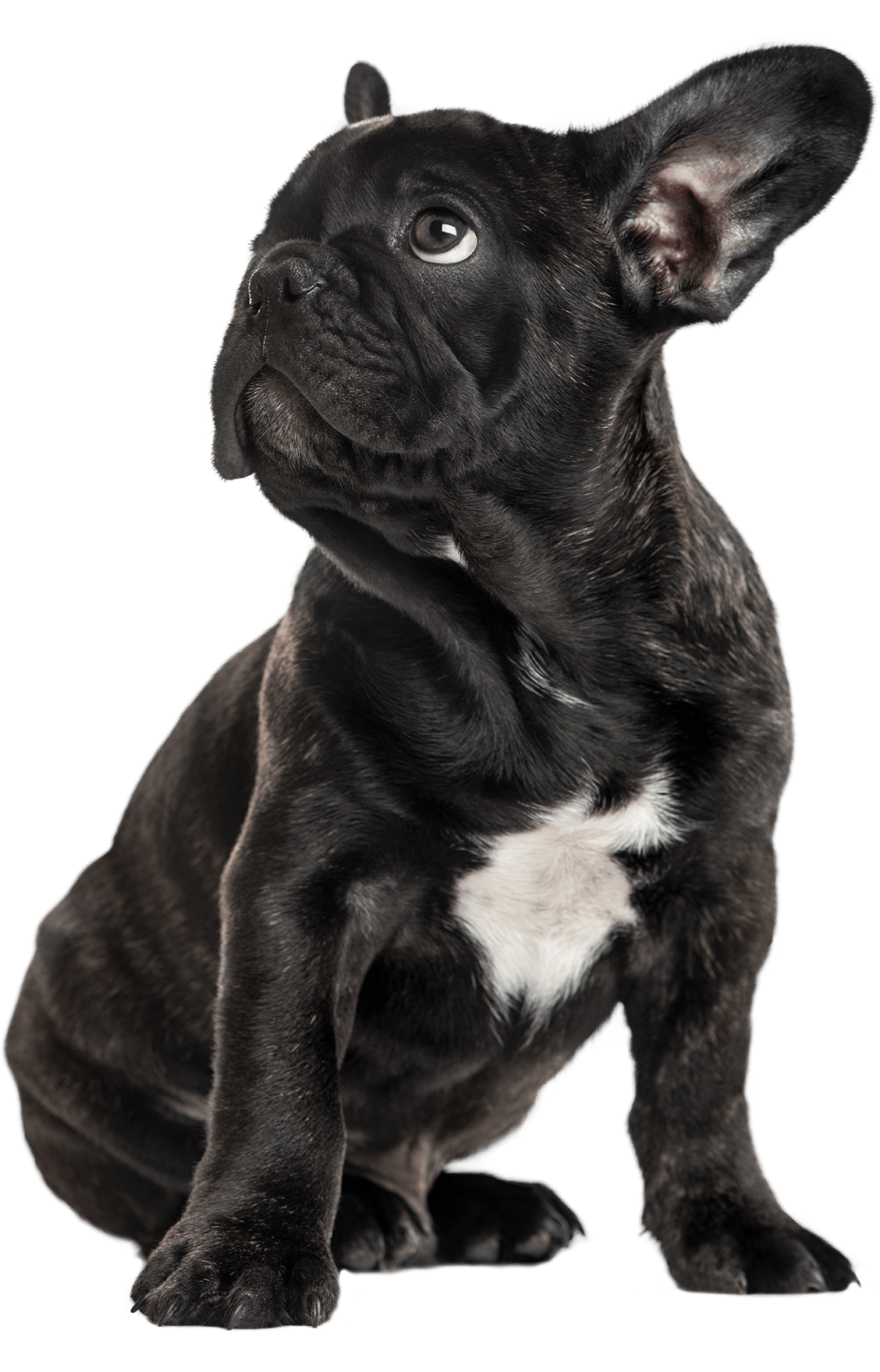

Brachycephalic Airway Surgery for Dogs near Orlando, FL
Exceptional pet care starts with a plan tailored to your pet’s individual needs. Some breeds, including brachycephalic dogs, are more prone to certain health concerns. In these dogs, differences in airway anatomy can limit airflow and make breathing more difficult. Dr. Katie Barry, our board-certified surgeon, specializes in treating affected dogs and has extensive experience performing Brachycephalic Airway for Orlando area dogs at our animal hospital in nearby Winter Haven.
For questions about Brachycephalic Syndrome or to schedule a surgical consultation, contact Veterinary Healthcare Associates at (863) 324-3340.
What is Brachycephalic Airway Syndrome?
“Brachycephalic” describes breeds with a shortened skull shape, which can give them a compact nose and muzzle. Dogs like English Bulldogs, French Bulldogs, Pugs, Boston Terriers, and Pekingese are common examples. Because their upper airways may be narrower than average, some can have difficulty moving air efficiently and may tire more easily. With thoughtful, breed-aware care, these dogs can stay comfortable and enjoy an excellent quality of life.
Signs of Brachycephalic Airway Syndrome
If your pet exhibits any of the following signs, they may be affected by Brachycephalic Airway Syndrome:
- Loud breathing or snoring
- Difficulty breathing, especially during exercise
- Excessive panting
- Blue gums or tongue
- Fainting or collapse
- Difficulty eating or swallowing
Orlando, FL Brachycephalic Airway Surgery
When structural airway differences make it hard for your dog to breathe normally, surgery may be the most effective option. Addressing these concerns early can help improve airflow, reduce strain on the body, and lower the risk of related complications over time. At Veterinary Healthcare Associates, located near Orlando in Winter Haven, your pet’s safety is central to every procedure, and we follow careful anesthesia and monitoring protocols to support a smooth induction and recovery. Dr. Barry performs brachycephalic airway surgery to address concerns such as:
Caring for Brachycephalic Dogs
Because brachycephalic dogs can be predisposed to certain health concerns, we take extra care during wellness exams to watch for early signs. When assessing your pet, we’ll consider:
Respiratory Issues
Brachycephalic breeds often experience respiratory problems due to their elongated soft palate or tracheal stenosis. Upper airway issues are also common due to their shortened skulls/snouts, caused by an elongated soft palate, everted laryngeal saccules, and stenotic nares.
Gastrointestinal Issues
The increased effort required for brachycephalic breeds to breathe can put them at risk for certain gastrointestinal issues, such as hiatal hernia. While these concerns can often be alleviated through airway surgery, our expert team at VHA is fully equipped to surgically correct these issues if necessary. We’re here to ensure your pet’s overall health and comfort.
Urogenital Issues
Brachycephalic males are prone to a condition known as prolapsed urethra, which can arise due to changes in respiratory and abdominal pressures. Surgical correction is typically necessary, and we strongly recommend addressing any airway issues simultaneously to ensure the best outcome for your pet's overall well-being.
Dental Disease
Brachycephalic breeds frequently have overcrowded teeth, leading to dental disease. Tartar buildup under the gum line releases bacteria into the bloodstream, affecting your dog’s heart, liver and kidneys. Our team at VHA reduces dental disease risk through comprehensive teeth cleaning services, including full mouth examinations, digital X-rays, and thorough cleanings to maintain your pet’s dental health.