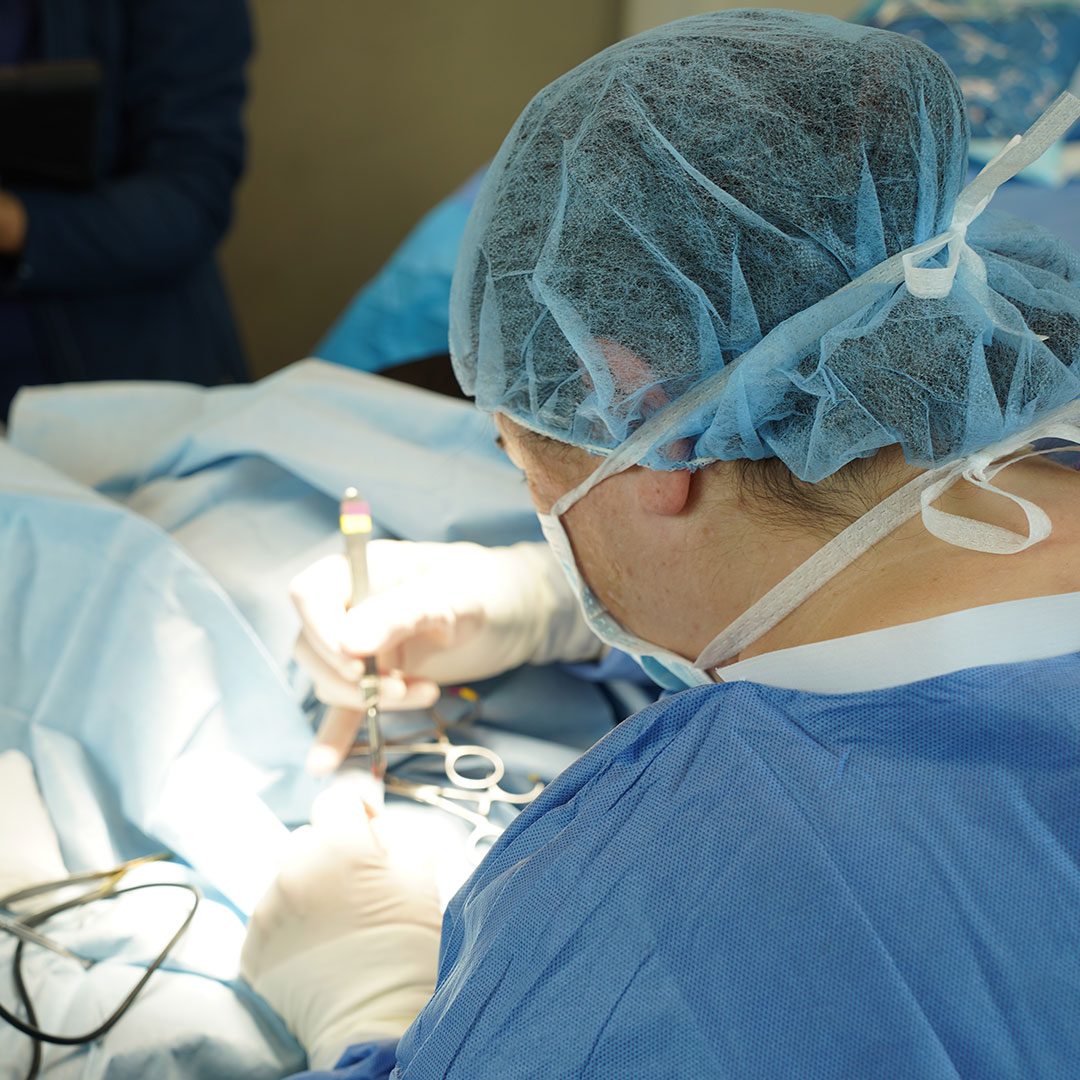
Cat & Dog TPLO Surgery in Winter Haven, FL
When your dog or cat suddenly starts limping, avoids putting weight on a back leg, or seems painful after running or jumping, a cranial cruciate ligament (CCL) injury may be the reason. This type of knee injury can make everyday movement difficult and often requires advanced orthopedic care to restore comfort and stability.
At Veterinary Healthcare Associates, we offer cat and dog TPLO surgery in Winter Haven, FL for pets with cranial cruciate ligament injuries. Our team cares for pets from Winter Haven, Orlando, Tampa, and surrounding Florida communities in a state-of-the-art surgical setting with careful anesthesia, monitoring, and pain management.
If your pet has been diagnosed with a CCL tear or is showing signs of a knee injury, call (863) 324-3340 or book online to schedule an orthopedic consultation.
What Is TPLO Surgery?
TPLO stands for tibial plateau leveling osteotomy. It is an orthopedic surgery used to treat cranial cruciate ligament injuries in dogs and some cats. The cranial cruciate ligament helps stabilize the knee joint. When it tears or becomes damaged, the knee can shift abnormally, causing pain, limping, inflammation, and loss of mobility.
During TPLO surgery, our veterinarian changes the angle of the top of the tibia, or shin bone, to help stabilize the knee without relying on the damaged ligament. This helps reduce abnormal movement in the joint and allows many pets to return to more comfortable walking, running, and daily activity after recovery.
Signs Your Pet May Need TPLO Surgery
A CCL injury can happen suddenly after activity, but it can also develop over time. Some pets show obvious lameness, while others have more subtle changes in how they move.
Your pet may need an orthopedic evaluation if you notice:
- Limping on a back leg
- Trouble rising after rest
- Holding one back leg up
- Stiffness after exercise
- Swelling around the knee
- Sitting with one leg angled outward
- Reluctance to run, jump, or climb stairs
- Sudden pain after playing, slipping, or turning quickly
A veterinary exam and diagnostic imaging can help determine whether your pet has a CCL injury and whether TPLO surgery is the best treatment option.
Why TPLO Surgery May Be Recommended
CCL injuries often do not heal well on their own because the knee continues to move in an unstable way. Without treatment, pets may continue to experience pain, reduced mobility, and progressive joint changes.
TPLO surgery may be recommended to:
- Improve knee stability
- Reduce pain caused by abnormal joint movement
- Help your pet regain mobility
- Support a more active lifestyle after healing
- Reduce stress on the opposite back leg
- Slow the progression of arthritis related to knee instability
Our veterinarians will evaluate your pet’s size, age, activity level, health history, and injury severity before recommending surgery.
How We Support Safety During TPLO Surgery
Your pet’s safety and comfort are central to every surgical plan at VHA. TPLO is an advanced orthopedic procedure, and our team follows careful protocols before, during, and after surgery.
To support your pet’s care, we:

Our goal is to provide advanced orthopedic care with clear communication and attentive support from start to finish.
Schedule your pet’s TPLO consultation today.
Give Your Pet a Stronger Step Forward
When your pet is limping or struggling to use a back leg, it affects more than their walk. It changes how they play, climb stairs, greet you at the door, and settle into their normal routine.
Our team offers TPLO surgery to help pets with CCL injuries regain stability, comfort, and mobility. Find out if this advanced orthopedic procedure is the right choice for your pet.
Call (863) 324-3340 or book online to schedule an orthopedic consultation.