
TPLO Surgery in Dogs: Before & After
If your dog has been diagnosed with a torn cranial cruciate ligament (CCL), TPLO surgery may be the recommended treatment. TPLO surgery in dogs is one of the most effective orthopedic procedures for stabilizing the knee joint and restoring comfort and mobility. While the idea of surgery can be daunting, understanding the full process, including what happens before and after TPLO surgery, can make a big difference in how you approach your dog’s care. This blog offers an in-depth look at the TPLO surgery experience, from preparation to post-op milestones, so you know exactly what to expect. For more personalized guidance or to schedule an orthopedic consultation, call Veterinary Healthcare Associates in Winter Haven, FL at (863) 324-3340.
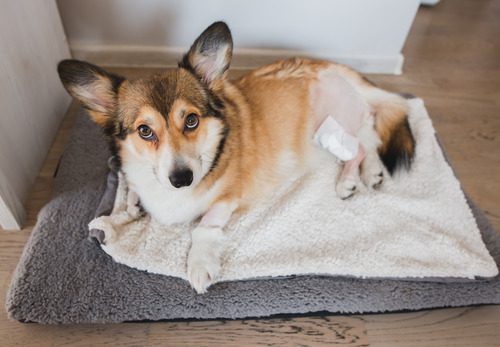
What Is TPLO Surgery in Dogs and Why Is It Recommended?
TPLO stands for Tibial Plateau Leveling Osteotomy. It’s a surgical procedure that alters the biomechanics of the knee joint to reduce instability caused by a torn CCL. In dogs, the CCL functions like the ACL in humans, helping to keep the tibia from shifting forward in relation to the femur. When it ruptures, your dog may experience limping, pain, and limited mobility.
TPLO surgery in dogs is often recommended for medium to large breeds or highly active dogs because it offers long-term stability and a faster return to normal activity compared to other surgical options. The procedure involves cutting and rotating the tibial plateau (the top part of the shin bone) to change the angle of the knee joint. Once repositioned, the bone is stabilized using a metal plate and screws. This mechanical change allows your dog’s knee to function without relying on the damaged ligament. Over time, the joint stabilizes, pain subsides, and most dogs regain strong, steady use of the affected leg.
What to Expect Before TPLO Surgery in Dogs
Preparing for TPLO surgery involves multiple steps to ensure your dog is a good candidate and that the procedure goes smoothly. Your veterinarian will perform a physical exam and may recommend diagnostic imaging such as X-rays or an MRI to evaluate the knee joint and rule out other conditions.
Pre-Surgical Consultations and Imaging
A thorough orthopedic exam helps determine if TPLO surgery is the best choice. This typically includes:
- Gait assessment to observe how your dog walks or runs
- Palpation of the knee to assess instability
- Sedated X-rays to evaluate the knee and measure the tibial plateau angle
Your veterinarian may also order bloodwork to confirm your dog is healthy enough for anesthesia.
Home Preparation and Activity Restrictions
In the days leading up to surgery, you may need to:
- Limit your dog’s activity to prevent further injury
- Set up a quiet recovery space at home
- Prepare for crate rest or restricted mobility after surgery
- Follow fasting instructions provided by your vet (usually no food after midnight the night before surgery)
The TPLO Surgery Process Explained
The actual TPLO surgery in dogs is typically completed in a few hours. It requires general anesthesia and is performed by a veterinarian with advanced orthopedic training. Here’s a closer look at the process.
Anesthesia and Surgical Prep
Once your dog is anesthetized, the surgical team shaves and sterilizes the area around the affected knee. Your dog is monitored throughout the procedure to ensure their heart rate, oxygen levels, and other vital signs remain stable.
Bone Cutting and Realignment
Using specialized equipment, the surgeon makes a precise curved cut in the tibia. This allows the top of the tibia to be rotated, changing the slope of the bone to a more level position. Once the angle is corrected, the surgeon secures the bone in place using a stainless-steel bone plate and screws.
Closing and Recovery Monitoring
After securing the hardware, the incision is closed with sutures or staples. Your dog is moved to recovery and closely monitored as they wake up from anesthesia. Pain management and antibiotics are administered to help with healing and comfort.
What Recovery Looks Like After TPLO Surgery in Dogs
The recovery period is just as important as the surgery itself. TPLO surgery in dogs requires a structured recovery timeline to promote proper healing and prevent setbacks. Most dogs need around 8 to 12 weeks to fully heal, although progress varies from dog to dog.
Week-by-Week Recovery Overview
- Weeks 1–2: Strict rest. Your dog may show mild swelling or bruising. Short leash walks for bathroom breaks only.
- Weeks 3–4: Swelling should decrease. Gradual increase in leash walking. Your vet may recommend passive range-of-motion exercises.
- Weeks 5–6: Improvement in weight-bearing and stability. Recheck X-rays may be taken to evaluate healing.
- Weeks 7–8: Leash walks can increase in duration. Some dogs may start controlled physical therapy sessions.
- Weeks 9–12: Most dogs resume normal activity levels with approval from the vet.
Post-Operative Care at Home
During recovery, you’ll need to:
- Administer prescribed medications exactly as directed
- Keep your dog’s activity strictly controlled
- Prevent running, jumping, or rough play
- Use a non-slip mat indoors to help with stability
- Monitor the incision daily for redness, swelling, or discharge
Your veterinarian will provide detailed instructions based on your dog’s specific needs.
Physical Therapy and Rehabilitation for TPLO Recovery
Physical therapy supports a smoother recovery and helps your dog regain strength, flexibility, and coordination. Not every dog will need formal rehabilitation, but for those that do, it can significantly enhance the outcome of TPLO surgery in dogs.
Types of Therapy That May Be Recommended
- Laser therapy to reduce inflammation and promote healing
- Underwater treadmill for low-impact strengthening
- Massage therapy to improve circulation
- Range-of-motion exercises to restore joint mobility
- Balance and coordination work as strength returns
A rehabilitation plan tailored to your dog’s size, age, and activity level can speed up their return to daily routines and play.
Long-Term Outcomes After TPLO Surgery in Dogs
Dogs who undergo TPLO surgery often return to full activity and enjoy a pain-free life. In fact, most dogs regain 90–95% of their normal function post-surgery, particularly when they follow the full recovery plan. The plate and screws typically remain in place for life unless complications arise, which are rare. Over time, you may notice your dog:
- Uses their leg confidently during walks
- Returns to favorite activities like running and playing
- Experiences improved mood and energy due to reduced pain
Your veterinarian may recommend yearly checkups to monitor joint health, especially if your dog is predisposed to arthritis or has a history of orthopedic issues.
Ready to Learn More About TPLO Surgery in Dogs?
TPLO surgery in dogs offers an effective solution for CCL injuries, especially in active or large-breed dogs. While it involves a significant commitment to pre-op planning and post-op care, the results are often life-changing for dogs experiencing chronic knee instability. Understanding the timeline, expectations, and resources available to you makes a difference in how your dog heals and how confident you feel along the way. If your dog is limping or struggling with knee pain, we’re here to help. Call Veterinary Healthcare Associates in Winter Haven, FL at (863) 324-3340 to schedule a consultation. We’ll assess your dog’s condition and help you decide if TPLO surgery is the right step forward.
Recent Posts
Dog Heart Murmur: Your Questions Answered
What does a dog heart murmur mean? Learn the causes, symptoms, and treatment options from Veterinary Healthcare...
Mitral Valve Disease in Dogs: Stages, Treatment, and More
What is mitral valve disease in dogs? Learn the causes, stages, treatment, and life expectancy from Veterinary...
What Is a Veterinary Fluoroscopy for Dogs?
What is veterinary fluoroscopy for dogs? Learn how it works, when it's used, and what to expect...
Stenotic Nares Surgery Cost
Stenotic Nares Surgery Cost How much does stenotic nares surgery usually cost? Stenotic nares surgery costs typically…
Is Stenotic Nares Surgery Covered by Pet Insurance?
Is Stenotic Nares Surgery Covered by Pet Insurance? Yes, stenotic nares surgery is covered by pet insurance…
About Veterinary Healthcare Associates
Veterinary Healthcare Associates in Winter Haven, FL, was established over 30 years ago as Maxwell Animal Clinic by Dr. John Maxwell. Maxwell Animal Clinic was a one-doctor general practice offering preventive care, dentistry, and standard surgical services to the community. As the years passed, Maxwell Animal Clinic evolved into a thriving 10-doctor general, specialty referral, and emergency veterinary practice.