
Laparoscopic Spay vs Traditional Spay: What’s Best for Your Dog?
When comparing a laparoscopic spay vs traditional spay, the main difference lies in how the procedure is performed and how your dog feels during recovery. A laparoscopic spay uses small incisions and a camera-guided surgical technique to remove the ovaries with less tissue trauma. In contrast, a traditional spay requires a larger incision through the abdomen for direct access. Both methods achieve the same goal (preventing unwanted pregnancies) but they vary in terms of invasiveness, pain levels, and healing time.
At Veterinary Healthcare Associates in Winter Haven, FL, our team offers advanced surgical options to provide safer, more comfortable experiences for pets. If you’re deciding between these two spay methods, this guide explains what makes each one unique so you can make the best choice for your dog.
The Basics of a Dog Spay Procedure
Spaying, or ovariohysterectomy, is one of the most common veterinary surgeries. It involves removing a female dog’s ovaries and often the uterus to prevent reproduction and reduce the risk of certain health issues. Whether you choose a laparoscopic spay or traditional spay, both procedures are performed under general anesthesia and require skilled surgical care.
During a traditional spay, your veterinarian makes a single incision along the abdomen to remove the reproductive organs manually. This method provides direct visibility but involves cutting through more tissue. In contrast, a laparoscopic spay uses one or two small incisions where a camera and specialized instruments are inserted. Your veterinarian views the internal structures on a monitor, guiding each movement precisely with minimal disruption to surrounding tissues.
What Makes a Laparoscopic Spay Different
The laparoscopic spay vs traditional spay debate often centers on recovery time and comfort. Laparoscopic surgery, also known as “keyhole surgery,” uses advanced imaging and fine instruments to reduce trauma. This results in smaller incisions, which are typically less than half an inch each, compared to the two to three-inch incision of a traditional spay.
Minimally Invasive Technique
In a laparoscopic spay, your veterinarian inserts a thin tube with a camera (laparoscope) into the abdominal cavity. The camera transmits real-time images to a high-definition screen, allowing for exceptional precision. Surgical tools are inserted through another small port to remove the ovaries. Because the procedure causes less internal damage, dogs generally experience less pain and inflammation afterward.
Faster Healing and Reduced Discomfort
One of the most appealing benefits of a laparoscopic spay is the recovery experience. Smaller incisions mean less bleeding and fewer sutures. Many dogs resume normal activity levels sooner than they would after a traditional procedure. While every pet’s recovery timeline varies, many veterinarians report that dogs undergoing laparoscopic spays require less postoperative pain medication and show more comfort during healing.
Enhanced Safety and Visibility
The camera-guided approach improves surgical accuracy and allows your veterinarian to view magnified details of the internal organs. This precision minimizes the risk of accidental injury to surrounding tissues. Additionally, the ability to monitor the procedure in real time helps ensure thorough removal of the ovaries while maintaining control throughout surgery.
Comparing the Traditional Spay Method
The traditional spay technique has been a trusted surgical standard for decades. It remains an effective, safe, and widely available option for most dogs. Understanding how it differs from laparoscopic surgery can help you make an informed decision about what’s best for your pet.
Larger Incision and Direct Access
During a traditional spay, your veterinarian makes a longer incision in the abdomen to access the reproductive organs directly. This allows full visualization and tactile control during surgery. However, because the incision is larger and involves cutting through more tissue layers, postoperative soreness and swelling can be more pronounced.
Reliable and Widely Practiced
Traditional spays are performed routinely at animal hospitals across the country. Many veterinarians are highly experienced with this method, making it a dependable choice. Although recovery can take slightly longer compared to a laparoscopic spay, outcomes are still excellent with proper care and monitoring.
Cost and Availability Considerations
Traditional spays are generally less expensive than laparoscopic ones. Laparoscopic equipment and training represent an advanced level of technology, so not every veterinary hospital offers this service. If you’re seeking a laparoscopic spay in Winter Haven, FL, Veterinary Healthcare Associates is among the few hospitals equipped to perform this minimally invasive option safely and effectively.
Recovery and Aftercare: What Pet Owners Should Expect
Recovery from a laparoscopic spay vs traditional spay depends on the size of the incision, your dog’s age, and their overall health. Most dogs recover well after either procedure, but the timeline and comfort level can differ.
Postoperative Care
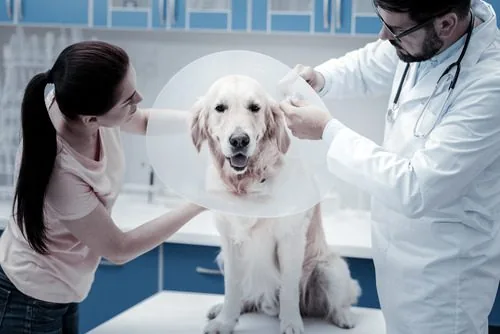
After surgery, your dog will need a quiet, clean space to rest. Keeping your dog from licking or scratching at the incision site is essential for healing. An e-collar or soft recovery cone can help protect the incision area. Your veterinary team will provide detailed aftercare instructions and schedule a follow-up visit to check healing progress.
Activity Restrictions
Most veterinarians recommend restricting exercise for about 10–14 days following a traditional spay. Dogs who undergo a laparoscopic spay may resume normal activity sooner, often within just a few days. However, gradual reintroduction of activity is still advised to prevent complications like incision opening or internal strain.
Signs of Healing
During recovery, you should notice reduced swelling and normal energy returning within a few days. Minor bruising or redness near the incision can occur, but it should fade quickly. Always contact your veterinarian if your dog shows signs of discomfort or if the incision appears abnormal.
Laparoscopic Spay vs Traditional Spay: Which Option is Right for Your Dog?
The best choice depends on several factors, including your dog’s size, age, health status, and your preferences as a pet owner. Both procedures are safe when performed by experienced veterinarians, but each offers unique benefits.
Laparoscopic Spay Benefits
- Smaller incisions and minimal tissue trauma
- Shorter recovery time
- Less postoperative discomfort
- Reduced risk of infection
- Precise visualization of internal organs
Traditional Spay Benefits
- Proven and widely available
- Typically lower cost
- Suitable for dogs of all sizes and breeds
- Familiar surgical method for most veterinarians
If your priority is a faster, more comfortable recovery, a laparoscopic spay may be the better choice. If you prefer a traditional and cost-effective procedure, the traditional spay remains an excellent option.
Choosing a Veterinary Team You Can Trust
When evaluating a laparoscopic spay vs traditional spay, the skill and experience of your veterinary team are just as important as the technique itself. At Veterinary Healthcare Associates in Winter Haven, FL, our hospital uses advanced surgical tools and monitoring systems to keep pets safe and comfortable throughout every procedure. We take time to discuss your options, explain what to expect, and help you choose the surgery that best aligns with your pet’s needs.
Our compassionate team prioritizes your dog’s comfort before, during, and after surgery. Whether you decide on a laparoscopic spay or a traditional spay, we provide attentive care and ongoing support to promote a smooth recovery. To learn more about a laparoscopic spay vs a traditional spay, or to schedule your dog’s procedure, call (863) 324-3340 today. Our team at Veterinary Healthcare Associates is here to guide you through every step with care, expertise, and trust.
Recent Posts

Laparoscopic Spay: Everything You Need to Know
Laparoscopic Spay: Everything You Need to Know Laparoscopic spay, also called a “minimally invasive spay,” is an…

When is Dog Diarrhea an Emergency?
When is Dog Diarrhea an Emergency? Dog owners know all too well that occasional digestive upset isn’t…
Is Cat Constipation an Emergency?
Is Cat Constipation an Emergency? Cats are often private about their habits, especially when it comes to…

Feline Emergencies: Warning Signs Your Cat is Crying for Help
Feline Emergencies: Warning Signs Your Cat is Crying for Help Cats have a reputation for being independent,…
Spondylosis in Dogs: Symptoms, Treatment, & More
Spondylosis in Dogs: Symptoms, Treatment, & More If your dog is slowing down or showing signs of…
About Veterinary Healthcare Associates
Veterinary Healthcare Associates in Winter Haven, FL, was established over 30 years ago as Maxwell Animal Clinic by Dr. John Maxwell. Maxwell Animal Clinic was a one-doctor general practice offering preventive care, dentistry, and standard surgical services to the community. As the years passed, Maxwell Animal Clinic evolved into a thriving 10-doctor general, specialty referral, and emergency veterinary practice.