
Laparoscopic Spay: Everything You Need to Know
Laparoscopic spay, also called a “minimally invasive spay,” is an advanced surgical technique that allows veterinarians to perform a pet’s sterilization procedure through tiny incisions rather than a traditional open approach. During a laparoscopic spay, your veterinarian uses a small camera (laparoscope) and specialized instruments to visualize and remove the ovaries with precision. This method typically results in less pain, minimal scarring, and a faster recovery for pets compared to a conventional spay surgery.
At Veterinary Healthcare Associates in Winter Haven, FL, we’re proud to offer this modern alternative to traditional spaying, giving pets a more comfortable surgical experience. If you’re considering a laparoscopic spay for your dog or cat, this guide explains what makes this procedure unique, how it works, and what benefits it can offer your pet.
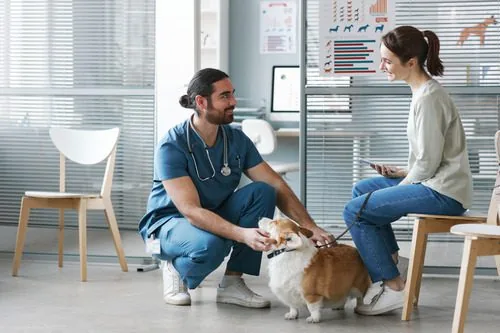
What Is a Laparoscopic Spay?
A laparoscopic spay is a form of minimally invasive surgery that uses a camera-guided approach instead of the large abdominal incision required in traditional spays. The laparoscope (a thin tube equipped with a high-definition camera and light) allows your veterinarian to clearly see your pet’s internal organs on a monitor in real time. Through two or three small incisions, surgical instruments are inserted to carefully remove the ovaries.
This technique is most commonly performed on dogs but can also be used for cats and other species depending on size and anatomy. By using small entry points instead of a full abdominal incision, laparoscopic spay procedures significantly reduce tissue trauma. As a result, many pets experience less postoperative discomfort and recover more quickly than with traditional spay surgeries.
How a Laparoscopic Spay Works
Laparoscopic spay surgery is performed under general anesthesia, just like a traditional spay. The difference lies in how the veterinarian accesses and visualizes the ovaries.
Step 1: Preparation and Anesthesia
Before the surgery, your pet receives a complete pre-surgical exam and necessary lab work to ensure they’re healthy enough for anesthesia. Once anesthetized, the surgical area is clipped and sterilized.
Step 2: Small Incisions and Camera Insertion
Your veterinarian makes two or three small incisions in the abdomen, usually less than half an inch in length. Through one incision, the laparoscope is inserted to project a magnified view of the abdominal cavity onto a monitor. This visual guidance allows for precise movements and careful handling of internal tissues.
Step 3: Ovarian Removal
Specialized instruments are inserted through the other incisions to gently grasp and remove the ovaries. In most laparoscopic spays, the uterus is left intact unless there is a medical reason to remove it. This approach helps minimize surgical trauma and further speeds up healing.
Step 4: Closure and Recovery
Once the ovaries are removed, your veterinarian closes the tiny incisions with a few sutures. Because these incisions are so small, they heal rapidly and typically leave minimal scarring. Pets are monitored closely as they wake from anesthesia and can often return home the same day.
Benefits of a Laparoscopic Spay
Laparoscopic spay offers numerous benefits that make it an appealing choice for pet owners. While every surgery involves some degree of risk, this minimally invasive method is designed to reduce those risks and enhance comfort and recovery.
Smaller Incisions and Less Pain
One of the most significant advantages of a laparoscopic spay is the reduction in surgical pain. Smaller incisions mean less disruption to the abdominal wall and muscles. Studies have shown that pets undergoing laparoscopic surgery experience less post-operative discomfort than those receiving traditional spays.
Faster Recovery Time
Because the procedure is less invasive, most pets return to normal activities more quickly. Many are back to their usual energy levels within just a few days, compared to the 10–14 days typical of traditional recovery.
Reduced Risk of Complications
The magnified view from the laparoscope allows for exceptional precision during surgery. This minimizes internal trauma and bleeding, lowering the risk of infection or post-surgical swelling.
Smaller Scars and Improved Cosmetic Results
With incisions less than an inch long, scarring from a laparoscopic spay is barely noticeable once healed. This can be especially appealing for pet owners who want a cleaner cosmetic outcome.
Laparoscopic Spay vs. Traditional Spay
It’s natural for pet owners to wonder how laparoscopic spay compares to the traditional method. Both surgeries achieve the same goal: preventing unwanted pregnancies and reducing certain health risks, but they differ in technique, recovery, and comfort.
Surgical Approach
Traditional spays involve a larger abdominal incision, typically 2–3 inches or more, to allow the veterinarian to see and remove the reproductive organs directly. In contrast, laparoscopic spays rely on small incisions and camera guidance for internal visualization.
Pain and Recovery
Because the laparoscopic approach causes less trauma to the abdominal wall, most pets experience less pain and recover faster. They often require less pain medication after surgery and can return to gentle activity sooner.
Cost Considerations
Laparoscopic spays often cost more than traditional surgeries due to the specialized equipment and training required. However, many pet owners find the shorter recovery and improved comfort well worth the investment.
When to Consider a Laparoscopic Spay
A laparoscopic spay may be a great option for many pets, but it isn’t the right choice for every case. This procedure is often ideal for dogs of medium to large size, as their anatomy allows sufficient space for the laparoscopic equipment. Veterinarians may recommend a traditional spay for very small or young pets or in cases where reproductive or abdominal abnormalities are suspected.
Discussing your pet’s specific needs with your veterinarian will help determine whether a laparoscopic spay is appropriate. If your pet has already been spayed traditionally, you might still benefit from knowing about laparoscopic surgery for future procedures, such as biopsies, gastropexy (stomach tacking), or other minimally invasive diagnostics.
After a Laparoscopic Spay: What to Expect
After a laparoscopic spay, most pets go home the same day once they’re fully awake from anesthesia. Our team will provide instructions for care during recovery, including rest, incision monitoring, and when to return for a follow-up visit.
Activity and Healing
Even though recovery tends to be faster, pets still need rest and limited activity for a few days. This helps protect the incisions and promote proper healing.
Monitoring the Incisions
Because laparoscopic incisions are very small, they typically heal quickly with minimal swelling or redness. Your veterinarian will guide you on how to monitor the area and when sutures (if external) can be removed.
Returning to Normal Routine
Most pets are back to eating, playing, and acting like themselves within several days. Still, following your veterinarian’s aftercare recommendations ensures your pet’s recovery stays on track.
Why Choose Veterinary Healthcare Associates for Laparoscopic Spay in Winter Haven, FL
At Veterinary Healthcare Associates, our goal is to make every surgical experience as safe and stress-free as possible. Our team is highly trained in advanced surgical techniques, including laparoscopic spay, and our hospital features state-of-the-art equipment designed for precision and comfort. We provide personalized care before, during, and after every procedure. From your pet’s pre-surgical evaluation to their recovery, our veterinarians and technicians are here to support them every step of the way. If you’d like to learn more about laparoscopic spay or discuss whether it’s the right option for your pet, call (863) 324-3340 today to schedule a consultation with our team in Winter Haven, FL.
Recent Posts
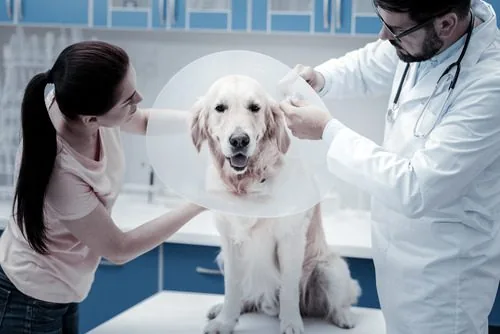
Laparoscopic Spay vs Traditional Spay: What’s Best for Your Dog?
Laparoscopic Spay vs Traditional Spay: What’s Best for Your Dog? When comparing a laparoscopic spay vs traditional…

When is Dog Diarrhea an Emergency?
When is Dog Diarrhea an Emergency? Dog owners know all too well that occasional digestive upset isn’t…
Is Cat Constipation an Emergency?
Is Cat Constipation an Emergency? Cats are often private about their habits, especially when it comes to…

Feline Emergencies: Warning Signs Your Cat is Crying for Help
Feline Emergencies: Warning Signs Your Cat is Crying for Help Cats have a reputation for being independent,…
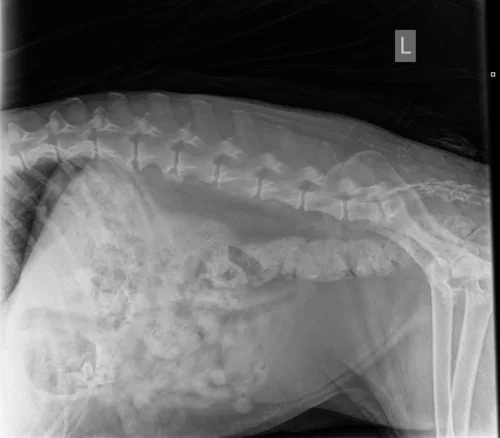
Spondylosis in Dogs: Symptoms, Treatment, & More
Spondylosis in Dogs: Symptoms, Treatment, & More If your dog is slowing down or showing signs of…
About Veterinary Healthcare Associates
Veterinary Healthcare Associates in Winter Haven, FL, was established over 30 years ago as Maxwell Animal Clinic by Dr. John Maxwell. Maxwell Animal Clinic was a one-doctor general practice offering preventive care, dentistry, and standard surgical services to the community. As the years passed, Maxwell Animal Clinic evolved into a thriving 10-doctor general, specialty referral, and emergency veterinary practice.