
Cat Vestibular Syndrome: Signs, Causes, and What to Do When Your Cat Loses Balance
When your cat suddenly stumbles, tilts their head, or circles uncontrollably, it can be frightening to witness. These disorienting symptoms may be signs of cat vestibular syndrome, a condition that affects the balance system. While it can look alarming, especially in older cats, it doesn’t always point to something serious. That said, understanding what’s going on and knowing when to take action can make a big difference in how you support your cat’s health. This blog breaks down the signs of cat vestibular syndrome, what might be causing it, and what to expect if your cat starts showing symptoms. If you’re in the Winter Haven, FL area and need help, you can always call Veterinary Healthcare Associates at (863) 324-3340.
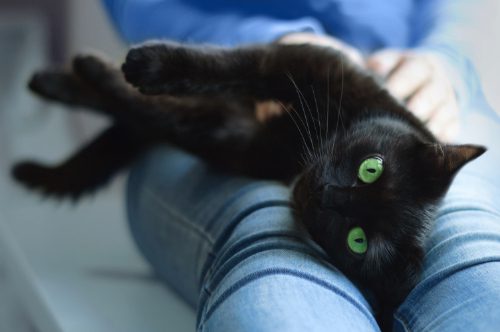
What Is Cat Vestibular Syndrome?
Cat vestibular syndrome is a condition that impacts your cat’s ability to maintain balance and spatial orientation. It stems from a problem in the vestibular system, which is responsible for coordinating movement and balance. This system includes the inner ear, certain nerves, and parts of the brain. When there’s inflammation, infection, trauma, or another disruption in this system, the result is often a sudden loss of coordination or balance.
Vestibular syndrome in cats can be classified as either central or peripheral, depending on where the issue originates. Peripheral vestibular syndrome typically involves the inner or middle ear, while central vestibular syndrome points to a problem in the brainstem or cerebellum. While peripheral cases are often less serious and may improve over time, central causes can indicate something more complex. No matter the cause, cat vestibular syndrome can look dramatic. Fortunately, many cases, especially those in older cats, resolve with proper care and monitoring.
Symptoms of Vestibular Syndrome in Cats
The symptoms of cat vestibular syndrome often appear suddenly. One day your cat may seem perfectly fine; the next, they’re struggling to walk straight or holding their head at an odd angle. Here are the signs that may indicate a vestibular issue:
Head Tilt
One of the most recognizable signs is a persistent head tilt. This isn’t a subtle movement. It’s often a noticeable, sustained tilt to one side. The head tilt helps the cat try to compensate for the imbalance caused by the vestibular disruption.
Loss of Balance or Coordination
Cats with vestibular syndrome may appear dizzy. They might stumble, fall over, or have trouble walking in a straight line. You may notice them leaning or veering to one side, or even circling repeatedly.
Rapid Eye Movements (Nystagmus)
Nystagmus is an involuntary, rapid movement of the eyes, either side to side, up and down, or rotational. This reflexive movement usually indicates the brain is receiving conflicting signals about the cat’s position or movement.
Nausea or Vomiting
Due to the disorienting effects of the syndrome, some cats may become nauseated. Vomiting, drooling, or a decreased appetite can all occur, especially if the condition has developed suddenly.
Reluctance to Move or Jump
If your cat appears hesitant to move around or avoids jumping onto furniture like they normally would, it may be due to dizziness or fear of falling.
What Causes Cat Vestibular Syndrome?
Several underlying issues can affect the vestibular system in cats. Some cases are benign, while others may require more in-depth diagnostics and treatment.
Ear Infections
Middle or inner ear infections are one of the most common causes of cat vestibular syndrome, particularly in peripheral cases. Bacteria, yeast, or even parasites like ear mites can lead to inflammation, pressure changes, and vestibular disturbances.
Idiopathic Vestibular Disease
When no specific cause can be identified, the condition is often labeled idiopathic vestibular syndrome. This is more common in older cats and tends to resolve on its own over several days to weeks. While the symptoms can look severe, many cats recover fully.
Neurological Conditions
In cases of central vestibular syndrome, the cause may involve the brainstem or cerebellum. Inflammation, infection, tumors, or trauma can all impact this part of the brain. These situations often require more advanced diagnostics, such as imaging, to determine the root cause.
Toxic Reactions
Exposure to certain medications or toxins can affect the vestibular system. Some antibiotics, if used improperly, may lead to inner ear damage. Always follow medication instructions closely and consult your veterinarian if you notice side effects.
Trauma or Injury
Head trauma or neck injuries can disrupt the inner ear or central nervous system. In these situations, vestibular symptoms may occur alongside other neurological issues.
How Veterinarians Diagnose Vestibular Issues in Cats
Veterinary professionals use a combination of clinical signs, physical exams, and diagnostic tests to determine whether a cat has vestibular syndrome and what might be causing it. Since symptoms can mimic other neurological problems, thorough evaluation is essential.
Physical and Neurological Exam
Your veterinarian will begin by observing your cat’s posture, coordination, eye movement, and head position. These signs help narrow down whether the problem lies in the inner ear (peripheral) or the brain (central).
Otoscopic Exam
An examination of the ears using an otoscope may help identify inflammation, discharge, or structural issues that point to infection or blockage.
Imaging and Lab Work
If a central cause is suspected, your veterinarian may recommend imaging such as MRI or CT scans. Blood tests can also help rule out infections or other systemic illnesses that might contribute to the symptoms.
What You Can Expect if Your Cat Has Vestibular Syndrome
Once a diagnosis is made, the next steps depend on the underlying cause. While it’s unsettling to see your cat so disoriented, many cases, especially idiopathic or peripheral, show improvement with supportive care.
Monitoring and Recovery Time
Recovery may take anywhere from a few days to a few weeks. Older cats with idiopathic vestibular syndrome often begin to show improvement within 48 to 72 hours, although a head tilt may persist for some time.
Supportive Veterinary Care
Your veterinarian may recommend supportive care, including hydration, rest, and in some cases, medication to help with nausea or inflammation. If an ear infection is identified, antibiotics or antifungal medications may be prescribed. The treatment plan will be tailored to your cat’s specific diagnosis.
Preventing Further Injury at Home
While your cat recovers, keeping their environment safe is key. You can block off stairs, provide non-slip mats, and keep food and water within easy reach. This helps reduce the risk of falls or additional injury while they regain their balance.
Why Prompt Veterinary Attention Matters
While many cases of cat vestibular syndrome improve on their own, it’s important not to make assumptions about your cat’s symptoms. Several serious conditions can cause similar signs, and early evaluation by your veterinarian helps rule out anything more severe. Cats are masters at hiding pain and discomfort.
If you notice any sudden or unusual changes in behavior, balance, or movement, it’s best to act quickly. Prompt attention can lead to faster diagnosis, more effective care, and peace of mind for you. If you’re in the Winter Haven area and notice signs of cat vestibular syndrome, call Veterinary Healthcare Associates at (863) 324-3340. Our team is here to evaluate your cat’s condition and provide guidance tailored to their needs.
Recent Posts

Laparoscopic Spay vs Traditional Spay: What’s Best for Your Dog?
Laparoscopic Spay vs Traditional Spay: What’s Best for Your Dog? When comparing a laparoscopic spay vs traditional…

Laparoscopic Spay: Everything You Need to Know
Laparoscopic Spay: Everything You Need to Know Laparoscopic spay, also called a “minimally invasive spay,” is an…

When is Dog Diarrhea an Emergency?
When is Dog Diarrhea an Emergency? Dog owners know all too well that occasional digestive upset isn’t…
Is Cat Constipation an Emergency?
Is Cat Constipation an Emergency? Cats are often private about their habits, especially when it comes to…
Feline Emergencies: Warning Signs Your Cat is Crying for Help
Feline Emergencies: Warning Signs Your Cat is Crying for Help Cats have a reputation for being independent,…
About Veterinary Healthcare Associates
Veterinary Healthcare Associates in Winter Haven, FL, was established over 30 years ago as Maxwell Animal Clinic by Dr. John Maxwell. Maxwell Animal Clinic was a one-doctor general practice offering preventive care, dentistry, and standard surgical services to the community. As the years passed, Maxwell Animal Clinic evolved into a thriving 10-doctor general, specialty referral, and emergency veterinary practice.