
Understanding Neurological Problems in Dogs: Causes and Treatments for Back Leg Weakness
Back leg weakness in dogs can appear suddenly or develop gradually, and it often signals an underlying neurological condition. For pet owners, watching their dog struggle to walk or lose balance can be deeply unsettling. Whether it’s a slight wobble or full loss of coordination, these signs shouldn’t be ignored. Neurological problems in dogs affect not only mobility but also quality of life. In this blog, we’ll discuss the most common causes of dog back leg weakness, how veterinarians diagnose these issues, and what treatment options may be available. If you’re concerned about your dog’s mobility, Veterinary Healthcare Associates in Winter Haven, FL is equipped to help. Call us today at (863) 324-3340 to schedule an evaluation.
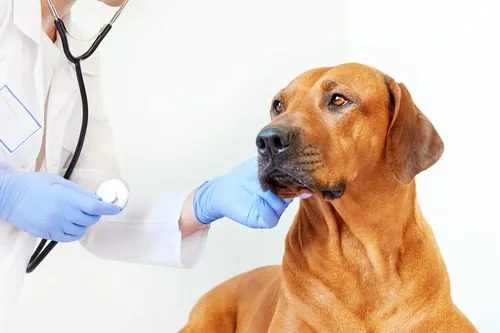
What Causes Back Leg Weakness in Dogs?
Back leg weakness in dogs often stems from disruptions in the communication between the brain, spinal cord, nerves, and muscles. These issues can originate from the central nervous system (CNS) or the peripheral nervous system (PNS), and they may develop due to injury, age-related degeneration, or disease.
Intervertebral Disc Disease (IVDD)
IVDD occurs when the cushioning discs between the vertebrae in a dog’s spine herniate or degenerate. This condition often compresses the spinal cord, leading to pain, coordination issues, and dog back leg weakness. It’s most common in Dachshunds, Cocker Spaniels, and other chondrodystrophic breeds, though any dog can develop IVDD.
Degenerative Myelopathy (DM)
DM is a progressive spinal cord disease that typically affects older dogs, especially German Shepherds and Boxers. It begins with back leg weakness in dogs, noticeable as stumbling, knuckling, or dragging paws. Over time, it can progress to complete paralysis of the hind limbs. Unfortunately, there is no cure, but early management can help slow progression.
Lumbosacral Stenosis (Cauda Equina Syndrome)
This condition involves the narrowing of the spinal canal in the lower back, which puts pressure on the nerves. Dogs with lumbosacral stenosis may show signs such as difficulty standing, reluctance to jump, and noticeable dog back leg weakness, particularly after exercise or rest.
Neurological Tumors
Tumors affecting the brain or spine can interfere with nerve function, leading to weakness in the hind limbs. Symptoms often vary depending on the tumor’s location and size, but back leg weakness in dogs can be one of the earliest signs, especially if the tumor impacts the spinal cord.
Tick-Borne Diseases and Infections
Certain tick-borne illnesses, like Lyme disease or Rocky Mountain spotted fever, may result in nerve damage or muscle inflammation. These conditions sometimes lead to dog back leg weakness, along with other systemic symptoms such as lethargy, joint pain, or fever.
Common Signs That May Accompany Dog Back Leg Weakness
Back leg weakness rarely occurs in isolation. It often comes with other clinical signs that can help veterinarians narrow down the cause. Noticing and reporting these symptoms during your dog’s exam can make a meaningful difference in diagnosis and treatment.
Mobility Issues and Changes in Gait
Watch for signs such as stumbling, dragging paws, crossing the back legs while walking, or a general wobbly gait. Some dogs may hesitate to go up stairs or need assistance getting into the car.
Pain or Vocalization
If a neurological issue is compressing the spinal cord or nerves, it can be quite painful. Dogs may whine, cry out, or resist being touched along the spine or hips.
Loss of Muscle Mass
Muscle atrophy in the hind limbs may occur over time if a dog’s back legs aren’t being used normally. This may appear as thinning or wasting of the thigh muscles.
Changes in Behavior or Posture
Many dogs will change how they carry themselves when something feels off. Hunched backs, head low to the ground, or an unwillingness to lie down can all point to discomfort or neurological dysfunction.
How Veterinarians Diagnose Neurological Conditions in Dogs
Diagnosing the cause of dog back leg weakness starts with a thorough physical and neurological exam. Your veterinarian will look at posture, reflexes, pain responses, and coordination. From there, diagnostic tools help confirm the underlying problem.
X-rays and Advanced Imaging
X-rays can reveal spinal abnormalities, fractures, or disc space narrowing. For more detailed imaging, MRI or CT scans are often needed to evaluate the spinal cord, discs, and brain.
Neurological Tests
These tests evaluate nerve function and help determine whether the issue lies in the brain, spine, or peripheral nerves. They often involve assessing reflexes, limb placement, and balance.
Blood Work and Infectious Disease Testing
Bloodwork can help rule out systemic illness or infection. In cases of suspected tick-borne disease or autoimmune disorder, specialized testing may be recommended.
Potential Treatment Options for Dog Back Leg Weakness
The treatment for dog back leg weakness depends on the root cause, and every case is unique. Once your veterinarian has a diagnosis, they’ll outline the best course of action for your dog’s condition and comfort.
Medication and Medical Management
Dogs with IVDD, inflammation, or infections may benefit from anti-inflammatory medications, steroids, pain relievers, or antibiotics. These treatments aim to reduce swelling, relieve discomfort, and slow disease progression.
Surgery
In severe cases of IVDD, lumbosacral stenosis, or spinal tumors, surgery may be the best option to remove pressure on the spinal cord or stabilize the spine. Veterinary neurologists perform these procedures using advanced surgical techniques and equipment.
Physical Rehabilitation Therapy
Rehabilitation helps dogs regain strength, improve coordination, and recover from neurological injury. Techniques may include underwater treadmill therapy, balance exercises, and neuromuscular electrical stimulation.
Mobility Support Devices
Some dogs benefit from supportive harnesses, slings, or wheelchairs to help them move comfortably and safely. These tools can significantly improve quality of life for dogs with long-term or progressive back leg weakness.
Signs It’s Time to Contact Your Veterinarian
If your dog is showing signs of back leg weakness, call your veterinarian as soon as possible. Early intervention can prevent further decline and give your dog the best chance at recovery. Some symptoms may seem mild, but they often indicate deeper neurological problems that require timely attention. Any sudden change in coordination, difficulty standing, or visible discomfort when walking warrants a full evaluation. Don’t wait to see if things improve. If you’re located near Winter Haven, FL, Veterinary Healthcare Associates can help. Call (863) 324-3340 to schedule a consultation.
Recent Posts
Laparoscopic Spay vs Traditional Spay: What’s Best for Your Dog?
Laparoscopic Spay vs Traditional Spay: What’s Best for Your Dog? When comparing a laparoscopic spay vs traditional…

Laparoscopic Spay: Everything You Need to Know
Laparoscopic Spay: Everything You Need to Know Laparoscopic spay, also called a “minimally invasive spay,” is an…

When is Dog Diarrhea an Emergency?
When is Dog Diarrhea an Emergency? Dog owners know all too well that occasional digestive upset isn’t…

Is Cat Constipation an Emergency?
Is Cat Constipation an Emergency? Cats are often private about their habits, especially when it comes to…

Feline Emergencies: Warning Signs Your Cat is Crying for Help
Feline Emergencies: Warning Signs Your Cat is Crying for Help Cats have a reputation for being independent,…
About Veterinary Healthcare Associates
Veterinary Healthcare Associates in Winter Haven, FL, was established over 30 years ago as Maxwell Animal Clinic by Dr. John Maxwell. Maxwell Animal Clinic was a one-doctor general practice offering preventive care, dentistry, and standard surgical services to the community. As the years passed, Maxwell Animal Clinic evolved into a thriving 10-doctor general, specialty referral, and emergency veterinary practice.